|
 |
 | | | | | | |||||||||||||||||||||||||||||||||||||||||||||||||||||||||||||||||||||||||||||||||||||||||||||||||||||||||||||||||||||||||||||||||||||||||||||||||||||||||||||||||||||||||||||||||||||||||||||||||||||||||||||||||||||
| | | You are in: Europe | |||||||||||||||||||||||||||||||||||||||||||||||||||||||||||||||||||||||||||||||||||||||||||||||||||||||||||||||||||||||||||||||||||||||||||||||||||||||||||||||||||||||||||||||||||||||||||||||||||||||||||||||||||||||
|
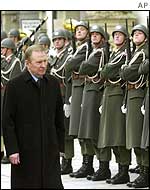
| | Friday, 8 November, 2002, 15:00 GMT US-Ukraine relations in crisis 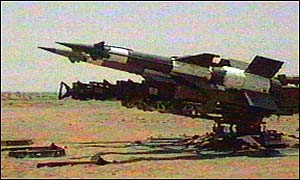 Ukraine denies selling arms to Iraq The United States says a crisis of confidence has beset its relations with Ukraine, because Kiev is not fully co-operating with an investigation into alleged arms sales to Iraq. A senior American official visiting Ukraine, Steven Pifer, says some people in the Ukrainian Government have been evasive, and are providing misleading answers to American questions.
"I would say that we are now in a very difficult period in our bilateral relations. It is probably the most difficult period since 1993, when I first began to work on US-Ukraine issues," Steven Pifer, US Deputy Assistant Secretary of State, told a news conference. "What we have now in particular is a crisis of confidence at the senior level." Experts' report Washington suspended $54m of aid to Ukraine in September after US experts said they had authenticated recordings of conversations in which Mr Kuchma is heard apparently approving the radar sale.
US and British experts then travelled to Ukraine to investigate the alleged sales, who returned with no conclusive evidence that Ukraine did not sell the Kochuga system to Iraq. Mr Pifer said the group of 13 experts, who were in Ukraine last month, received only limited co-operation, despite Kiev's initial promises to give them every assistance. "Some elements of the Ukrainian Government seemed to be co-operative, very transparent. But there were other parts of the Ukrainian Government that were not so helpful," Mr Pifer said. "In some cases they were evasive. In some cases there were misleading answers provided." However, Mr Pifer said the US still does not know if any Kolchugas are now in Iraq. Additional penalties "We don't yet have satisfactory information to suggest that the transfer did not take place," he said, "[and] we don't have information that says the transfer did take place". Mr Pifer stressed Washington still wanted Ukrainian Foreign Minister Anatoly Zlenko to attend a meeting of the Ukraine-Nato commission on the sidelines of the Nato summit in Prague later in November. The Kolchuga radar would upgrade Iraq's air defences, a serious worry for Britain and America as they plan a possible campaign against Iraq, and continue to enforce the no-fly zone. US officials have suggested that the results of the investigation could lead to additional penalties being imposed. | |
See also:  05 Nov 02 | Europe 14 Oct 02 | Europe 26 Sep 02 | Europe 26 Sep 02 | Europe 26 Sep 02 | Europe 26 Sep 02 | Europe Internet links: The BBC is not responsible for the content of external internet sites Top Europe stories now: Links to more Europe stories are at the foot of the page. | |||||||||||||||||||||||||||||||||||||||||||||||||||||||||||||||||||||||||||||||||||||||||||||||||||||||||||||||||||||||||||||||||||||||||||||||||||||||||||||||||||||||||||||||||||||||||||||||||||||||||||||||||||||
| |
|  E-mail this story to a friend E-mail this story to a friend |
| |
| Links to more Europe stories |
| | | ||
 | ||||
 | | Back to top
| ||
| ---------------------------------------------------------------------------------- To BBC Sport>> | To BBC Weather>> | To BBC World Service>> ---------------------------------------------------------------------------------- © MMIII | News Sources | Privacy |