|
 |
 | | | | | | ||||||||||||||||||||||||||||||||||||||||||||||||||||||||||||||||||||||||||||||||||||||||||||||||||||||||||||||||||||||||||||||||||||||||||||||||||||||||||||||||||||||||||||||||||||||||||
| | | You are in: Europe | ||||||||||||||||||||||||||||||||||||||||||||||||||||||||||||||||||||||||||||||||||||||||||||||||||||||||||||||||||||||||||||||||||||||||||||||||||||||||||||||||||||||||||||||||||||||||||||
|
| | Friday, 1 November, 2002, 12:31 GMT All quiet on the Pankisi front 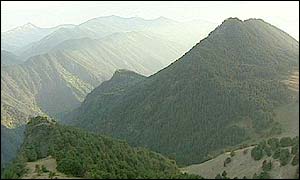 Chechen fighters can come and go as they please
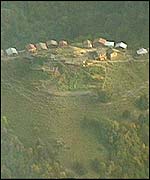
The Pankisi Valley looks glorious in the autumn sunshine - more gentle than craggy and wild, more bucolic than the fevered imaginations of journalists would have you believe.
Sitting in the haze of the valley, listening to the Alazani river gurgle down from the mountains, I exchanged pleasantries with an elderly woman far more concerned with washing her wool than the mysterious ways of President Vladimir Putin. Russia's pretensions towards Georgia seemed preposterous. Moscow's case is that the Pankisi is such a hive of Chechen resistance that it has become the key to ending the Chechen war.
It is a ludicrous argument made even more so by the recent tragic events in Moscow. President Putin complains that the Russian-Georgian border is so porous, Chechen fighters come and go as they please. There is some truth in this, but then Russia too must assume its share of the responsibility for defending the border. Chechen fighters continue to cross Russian lines with impunity. The Russian security apparatus is so rotted by corruption that 50 Chechens, armed to the teeth, were able to penetrate right to the heart of Moscow.
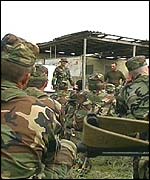
The Georgians boast that they have Pankisi almost fully under control following a complex military and police operation that began in September and is still under way. Moscow is predictably dismissive. The Georgians, they say, simply allowed the Chechens to escape. Of course they did. The idea was to persuade them to leave peacefully and return to the Russian Federation. The question is whether they have succeeded.
Georgia's own ministry of internal affairs admits now that there may at one time have been as many as 800 Chechen fighters in the valley and that it was completely beyond the control of the state. But now? Even as close to the Pankisi Valley as the Georgian capital, Tbilisi, the picture is enveloped in a murky haze. The official spin is that all is going swimmingly well. But the day before I drove to the valley, a government official phoned me to warn that the Pankisi was very far from under Georgian control. The combined military-police operation had been a qualified success, he said, but criminal Chechen gangs led by the notorious Akhmadov brothers still controlled several villages. The brothers have dominated the narcotics trade and kidnapping in the valley for the best part of three years. Bermuda triangle Some hours later, the sun was emerging over the hills as my car lurched through the wine villages of eastern Georgia, fighting for space with horses and carts and the biggest, hairiest pigs I have ever seen.
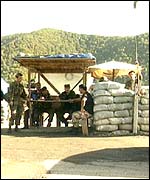
Until recently, strangers who went there disappeared. Now, Georgian troops are a common sight along its streets and river crossings. I walked around unaccompanied and although I encountered hostility, I was not physically threatened. The local Chechens, or Kists, who have lived there for generations, are angry that the Georgian Government has surrendered to Moscow five Chechen fighters arrested for crossing illegally into Georgia. It is a betrayal, they say, of Caucasian laws of hospitality. Most Georgians agree. The mother of one of the five lives in Pankisi. She had gone to Tbilisi to plead with the Georgian authorities. I would rather you shot him, she said, than hand him over to the Russians. At least then I will be able to bury his body. Degree of control The Chechen refugees from the war are nervous. They sense a sea change is on the way and fear the Georgian Government will force them to go back to Russia. Georgian troops, they told me, were beginning to treat them as the Russians had done. The biggest change, though, from just a few months back is that there were no fighters in sight. Some may still be sheltering in the thick forests that cling to the sides of the nearby mountains, but most appear to have gone.
Today, the Pankisi is most certainly not a Chechen base for launching attacks on Russia. Georgia has reasserted a degree of control over the valley and is extending it week by week. Russia ought to be happy, but is clearly not. In part, it seems, this is because the Chechen presence in Pankisi was never the real problem. What Russia really fears is losing influence in the region to the United States. American troops now train Georgian soldiers, and Washington is developing a long-term interest in Caspian Sea oil. The Pankisi valley is a stick with which to beat the Georgians and stir up trouble in the southern Caucasus. The more trouble, the less stability of course, but at least it will make life difficult for the Americans. 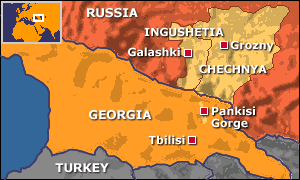 | | See also:  01 Oct 02 | Europe 10 Sep 02 | Europe 10 Sep 02 | Wales 06 Sep 02 | Europe 02 Sep 02 | Europe 27 Aug 02 | Europe 01 Sep 02 | Country profiles 25 Aug 02 | Europe Internet links: The BBC is not responsible for the content of external internet sites Top Europe stories now: Links to more Europe stories are at the foot of the page. | ||||||||||||||||||||||||||||||||||||||||||||||||||||||||||||||||||||||||||||||||||||||||||||||||||||||||||||||||||||||||||||||||||||||||||||||||||||||||||||||||||||||||||||||||||||||||||
| |
|  E-mail this story to a friend E-mail this story to a friend |
| |
| Links to more Europe stories |
| | | ||
 | ||||
 | | Back to top
| ||
| ---------------------------------------------------------------------------------- To BBC Sport>> | To BBC Weather>> | To BBC World Service>> ---------------------------------------------------------------------------------- © MMIII | News Sources | Privacy |