|
 |
 | | | | | | ||||||||||||||||||||||||||||||||||||||||||||||||||||||||||||||||||||||||||||||||||||||||||||||||||||||||||||||||||||||||||||||||||||||||||||||||||||||||||||||||||||||||||||||||||||||||||||||||||
| | | You are in: Europe | ||||||||||||||||||||||||||||||||||||||||||||||||||||||||||||||||||||||||||||||||||||||||||||||||||||||||||||||||||||||||||||||||||||||||||||||||||||||||||||||||||||||||||||||||||||||||||||||||||||
|
| | Wednesday, 25 September, 2002, 06:17 GMT 07:17 UK Nato warms to rapid reaction force 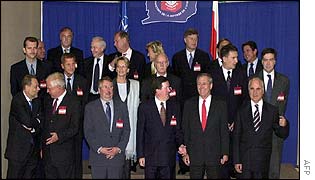 Nato ministers are meeting in Warsaw Nato defence ministers have given a generally positive response to American plans for a new Nato rapid reaction force.
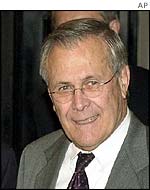
US Defence Secretary Donald Rumsfeld unveiled the proposal for a 20,000-strong force which, if approved, would give the alliance an important new military capability. More than a dozen ministers spoke in favour of the idea. BBC correspondent Peter Biles, who is with the ministers in the Polish capital Warsaw, says the proposal is still in its early stages. John McLaughlin, deputy director of the Central Intelligence Agency, briefed the ministers on Iraq and its connection to terrorism and weapons of mass destruction. The briefing reached similar conclusions to those of the UK Government dossier released on Tuesday morning, but gave no indication that the US was seeking Nato support for possible military action. Nato Secretary-General George Robertson, said: "The United States decided to do the briefing, but the United States did not ask for anything in the briefing in regard to military action." "That is still very much in the hands of the United Nations." But Lord Robertson said that "a lot of searching questions" had been asked after the briefing. New threats It is envisaged that a standing force of combat troops be established, with a core able to be deployed quickly over a period of between five and 30 days. The reaction force would help in the fight against terrorism, and if necessary operate in areas of conflict far beyond Nato's borders.
"The United States wants Nato to be important," Mr Rumsfeld said. "We believe in this alliance and want it to succeed." Officials are stressing that it will not undermine European Union plans for a separate force designed for peacekeeping operations. Our correspondent says the proposal is all part of Nato's transformation - the modernisation of the alliance to deal with the new threats of the 21st Century.
Nato has been facing a crisis of confidence and it desperately wants to transform itself and to maintain its relevance, our correspondent says. There has been frustration over the way in which Nato was largely excluded from the American-led war in Afghanistan. The Warsaw meeting is the first held at this level by the organisation in a former Warsaw Pact state. | |
See also:  24 Sep 02 | Americas 31 Jul 02 | Politics 14 May 02 | In Depth 21 Jul 02 | Country profiles 21 Jul 02 | Country profiles Top Europe stories now: Links to more Europe stories are at the foot of the page. | ||||||||||||||||||||||||||||||||||||||||||||||||||||||||||||||||||||||||||||||||||||||||||||||||||||||||||||||||||||||||||||||||||||||||||||||||||||||||||||||||||||||||||||||||||||||||||||||||||
| |
|  E-mail this story to a friend E-mail this story to a friend |
| |
| Links to more Europe stories |
| | | ||
 | ||||
 | | Back to top
| ||
| ---------------------------------------------------------------------------------- To BBC Sport>> | To BBC Weather>> | To BBC World Service>> ---------------------------------------------------------------------------------- © MMIII | News Sources | Privacy |