|
 |
 | | | | | | |||||||||||||||||||||||||||||||||||||||||||||||||||||||||||||||||||||||||||||||||||||||||||||||||||||||||||||||||||||||||||||||||||||||||||||||||||||||||||||||||||||||||||||||||||||||||
| | | You are in: Europe | |||||||||||||||||||||||||||||||||||||||||||||||||||||||||||||||||||||||||||||||||||||||||||||||||||||||||||||||||||||||||||||||||||||||||||||||||||||||||||||||||||||||||||||||||||||||||||
|
| | Thursday, 29 August, 2002, 14:55 GMT 15:55 UK Rowland: Why I testified against Milosevic 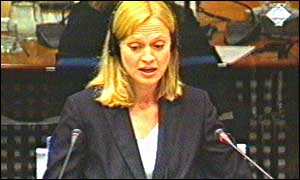 Jacky Rowland testified in court for one hour
There was never really any doubt in my mind as to whether I should testify in the war crimes trial of Slobodan Milosevic. I was being called as a witness to events in Kosovo during Nato air strikes in 1999.
Everything I knew was already in the public domain - I had broadcast extensively on BBC radio and television programmes at the time - and there were no confidential sources I needed to protect. The prosecutor's office at the International Criminal Tribunal in The Hague asked me about two visits I made to Dubrava prison at Istok in Kosovo in May 1999. Dozens of Kosovo Albanian prisoners died there. The Serbian authorities said they had been killed by Nato bombs. But I was not convinced that all the victims had met their death in that way. Tangible threat The decision to testify is, I believe, a matter of personal conviction. Some journalists - particularly American correspondents - are opposed to the idea, using arguments of impartiality and a perceived threat to war reporters in the future.
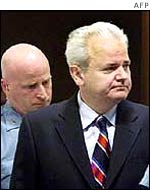
I believe that our ability to record pictures and transmit them almost instantaneously presents a more immediate and tangible threat to war criminals than the possibility that somewhere down the line we could testify against them. It is our work as journalists that puts us in the most danger. A couple of American colleagues tried gently to talk me out of testifying. The night before the trial I received a short email from one of them: "Are you sure you want to do this?" When I met the witness who was due to take the stand after me - a woman who had lost eight members of her family in an alleged massacre by Serbian police - I felt that a journalist's arguments for not testifying looked rather weak. Challenge My encounter in the court room with Slobodan Milosevic was the first time I had met the former Yugoslav president. He has chosen to defend himself in court but he clearly has a team of researchers working on his behalf behind the scenes. I had thought through almost all his potential lines of questioning and, although he was a formidable adversary, there were few surprises in the courtroom. I had to defend myself and the BBC against allegations of lack of objectivity. And I had to explain how I reached the conclusion that not all of the prisoners at Dubrava had been killed by Nato bombs. The prospect of being cross-examined by Mr Milosevic was more nerve-wracking than the actual event. My hour with him in court was a challenging intellectual exercise - and ultimately worthwhile. | |
See also:  28 Aug 02 | Europe 26 Aug 02 | Europe 05 Oct 00 | From Our Own Correspondent 26 Jul 02 | Europe 26 Jul 02 | Europe 28 Jun 02 | Europe 23 Jul 02 | Europe Internet links: The BBC is not responsible for the content of external internet sites Top Europe stories now: Links to more Europe stories are at the foot of the page. | |||||||||||||||||||||||||||||||||||||||||||||||||||||||||||||||||||||||||||||||||||||||||||||||||||||||||||||||||||||||||||||||||||||||||||||||||||||||||||||||||||||||||||||||||||||||||
| |
|  E-mail this story to a friend E-mail this story to a friend |
| |
| Links to more Europe stories |
| | | ||
 | ||||
 | | Back to top
| ||
| ---------------------------------------------------------------------------------- To BBC Sport>> | To BBC Weather>> | To BBC World Service>> ---------------------------------------------------------------------------------- © MMIII | News Sources | Privacy |