|
 |
 | | | | | | ||||||||||||||||||||||||||||||||||||||||||||||||||||||||||||||||||||||||||||||||||||||||||||||||||||||||||||||||||||||||||||||||||||||||||||||||||||||||||||||||||||||||||
| | | You are in: Europe | ||||||||||||||||||||||||||||||||||||||||||||||||||||||||||||||||||||||||||||||||||||||||||||||||||||||||||||||||||||||||||||||||||||||||||||||||||||||||||||||||||||||||||||
|
| | Friday, 23 August, 2002, 16:27 GMT 17:27 UK Clouds ahead for EU expansion 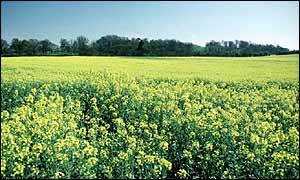 France worries about reform of agricultural subsidies
The enlargement of the European Union is a great prize, say most politicians, but not everyone in France appears convinced that it will be won - or indeed that it is a prize worth winning.  In the heart of France, a medium-sized cereal farm in Picardie radiates history, pride and, these days, anguish. Martine Patrelle runs the farm with her husband and brother-in-law. Looming over her are mounds of wheat and rapeseed from last year's harvest. Prices were too low for them to sell, which has never happened before, she says. She fears it may again, especially when the poorer farmers from Eastern Europe are allowed to sweep into the European Union market. In Martine Patrelle's eyes, they could drag everyone else down with them. "They haven't the same taxes, and the workers are paid lower than our workers and their standard of life is lower than us. So there's no harmony, nothing is comparable between us and them," she says. The opinion polls suggest that Martine Patrelle's concerns are shared widely across France. There appears to be little enthusiasm for the expansion of the EU. Lost romance In Brussels, diplomats will - privately at least - offer a number of reasons for French antipathy. Sure, there is concern about reform of agricultural subsidies.
For Lousewies van der Laan, a Dutch member of the European Parliament, such things are minor cavils. But they suggest a deeper problem, that the romance and allure of enlargement, of reuniting Western and Eastern Europe, are being lost. "I find it very shocking that a project as important as the enlargement of the European Union, the political elite has driven this forward without informing the people that are most concerned - the citizens of Europe and the citizens of the applicant countries," she says. "I'm really afraid that if we continue forcing things down Europeans' throats in this way, that we're going to get a backlash." Irish dissent And that backlash could next wound the entire expansion process in the late autumn, when the voters of Ireland decide in a referendum whether they want the legal changes necessary to allow enlargement. Without that approval - and they have already said no once - enlargement could be slowed or even stopped.
Pat Cox is an Irish MEP and also president of the European Parliament. He is worried that an Irish referendum only weeks before the negotiations are due to be completed at the end of the year could be just the excuse enlargement sceptics across the EU have been waiting for. "We could run the risk that if, where there are unresolved issues - and there are still other unresolved issues about the enlargement debate as we speak - others could indeed hide behind the Irish skirts as it were, if there was an Irish "no", and avoid some of the other realities that still need sorting out," he says. "I think it would be most unfortunate if Ireland was to present soft options on what now is a time to choose." Deaf-ear syndrome Back in her kitchen in Picardie, Martine Patrelle has already made her choice. For her, the cost of enlargement makes no sense. "In Brussels, you have a cake, and you cut it in 15 parts. And, suddenly, all the [politicians] say 'now you have to cut the cake in 25 parts', so I'm afraid [no-one will] be happy... It's not normal," she says. Enlargement will not be normal, and that is why supporters say it is such an extraordinary prize of guaranteeing peace across most of the continent in perpetuity. It is a powerful message, although for many both inside and outside the EU, it is a message that is simply not being heard. | | See also:  22 Aug 02 | Europe 21 Aug 02 | Europe 30 Jul 02 | Europe 22 Jul 02 | Europe 29 Mar 02 | Europe 30 Nov 01 | Europe Internet links: The BBC is not responsible for the content of external internet sites Top Europe stories now: Links to more Europe stories are at the foot of the page. | ||||||||||||||||||||||||||||||||||||||||||||||||||||||||||||||||||||||||||||||||||||||||||||||||||||||||||||||||||||||||||||||||||||||||||||||||||||||||||||||||||||||||||
| |
|  E-mail this story to a friend E-mail this story to a friend |
| |
| Links to more Europe stories |
| | | ||
 | ||||
 | | Back to top
| ||
| ---------------------------------------------------------------------------------- To BBC Sport>> | To BBC Weather>> | To BBC World Service>> ---------------------------------------------------------------------------------- © MMIII | News Sources | Privacy |