|
 |
 | | | | | | |||||||||||||||||||||||||||||||||||||||||||||||||||||||||||||||||||||||||||||||||||||||||||||||||||||||||||||||||||||||||||||||||||||||||||||||||||||||||||||||||||||||||||||||||||||||||||||||
| | | You are in: Europe | |||||||||||||||||||||||||||||||||||||||||||||||||||||||||||||||||||||||||||||||||||||||||||||||||||||||||||||||||||||||||||||||||||||||||||||||||||||||||||||||||||||||||||||||||||||||||||||||||
|
| | Friday, 28 June, 2002, 10:44 GMT 11:44 UK Prosecutors battle with Milosevic Milosevic has played to the audience
It is a year since Belgrade washed its hands of former Yugoslav leader Slobodan Milosevic and delivered him to international prosecutors in The Hague.
A deadline is looming, key witnesses may never appear, and a recurring bout of apparent influenza is keeping Mr Milosevic tucked up in a detention centre rather than answering questions in court. "There definitely seems to be a sense of nervousness in The Hague," says Balkans analyst Gary Dempsey of the Washington-based Cato Institute. "Milosevic is shrewd - he knows he can't ultimately win, but he can put up a strong fight in the meantime." New stage The court has given prosecutors until 26 July to present its evidence on Kosovo, where Mr Milosevic is accused of five counts of war crimes.
More recently, however, prosecutors have started calling experts and political insiders, with the goal of proving that Mr Milosevic was fully in control of what Serb forces were doing in Kosovo. But as they move to this second stage of the prosecution, and time races on, they have also been steadily shortening the witness list. The fact that Mr Milosevic chose to represent himself, rather than appointing a team of lawyers, increased the pressure on the prosecution, by ruling out the behind-the-scenes discussions that help cases run smoothly. "You can agree on some elements which are accepted by both sides and you don't have to prove them in court," says prosecution spokeswoman Florence Hartmann. Political theatre The absence of such agreements has forced prosecutors to spend a significant amount of time using witnesses simply to establish basic facts, rather than seeking to apportion blame.
Mr Milosevic is as conscious as anyone of the deadline looming over the prosecutors. "Milosevic is really playing a game here," Avril McDonald of the Humanitarian Law Yearbook told BBC radio. "In the last weeks it's quite clear that the prosecution is using very little court time, Milosevic is wasting as much as possible.
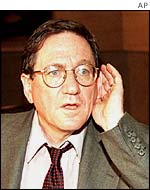
Judge Richard May has warned Mr Milosevic that his cross examination could be stopped if he continues to make speeches instead of asking questions, but in most cases these warnings have made little difference. "He has successfully used the court as a political stage," said Mr Dempsey. "He has played to his audience and even won the sympathies of those back home who hated him when he was president." Private testimony Among recent high-profile witnesses, William Walker - a US diplomat who led an international observer mission in Kosovo - and Klaus Naumann - the Nato general who led the bombing campaign against Yugoslavia - have helped to link Mr Milosevic with crimes in Kosovo. Both of them insisted that Mr Milosevic knew very well what was going on. But other key witness such as the US special envoy to the Balkans, Richard Holbrooke, who met Mr Milosevic on several occasions as the Kosovo crisis was unfolding, may never testify in public. Newspaper reports say that Washington is insisting that he testify in private, a prospect that prosecutors are unhappy with as they want the trial to be a transparent affair - otherwise it may not seem credible. Medical examination Another concern are the delays by Mr Milosevic's absence through illness.
The tribunal has ordered a full medical examination of the 60-year-old, apparently not satisfied with the report provided so far. The Kosovo indictment is supposed to be the easiest part of the trial. Mr Milosevic is also facing charges relating to alleged crimes against humanity in Croatia, as well as genocide in Bosnia. But while Mr Milosevic was President of Yugoslavia during the Kosovo events, his official role was as President of Serbia during the conflicts in Bosnia and Croatia. It will therefore be far harder to link him directly with the atrocities carried out by Bosnian Serb paramilitaries, than with the actions of Yugoslav police and soldiers in Kosovo. "Prosecutors have set themselves a real challenge," said one legal expert. "And at the moment at any rate, it looks as though they have taken on more than they bargained for." | |
Internet links:  The BBC is not responsible for the content of external internet sites Top Europe stories now: Links to more Europe stories are at the foot of the page. | |||||||||||||||||||||||||||||||||||||||||||||||||||||||||||||||||||||||||||||||||||||||||||||||||||||||||||||||||||||||||||||||||||||||||||||||||||||||||||||||||||||||||||||||||||||||||||||||
| |
|  E-mail this story to a friend E-mail this story to a friend |
| |
| Links to more Europe stories |
| | | ||
 | ||||
 | | Back to top
| ||
| ---------------------------------------------------------------------------------- To BBC Sport>> | To BBC Weather>> | To BBC World Service>> ---------------------------------------------------------------------------------- © MMIII | News Sources | Privacy |