|
 |
 | | | | | | ||||||||||||||||||||||||||||||||||||||||||||||||||||||||||||||||||||||||||||||||||||||||||||||||||||||||||||||||||||||||||||||||||||||||||||||||||||||||||||||||||||||||||||
| | | You are in: Europe | ||||||||||||||||||||||||||||||||||||||||||||||||||||||||||||||||||||||||||||||||||||||||||||||||||||||||||||||||||||||||||||||||||||||||||||||||||||||||||||||||||||||||||||||
|
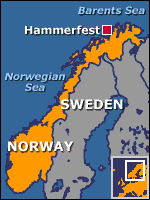
| | Monday, 3 June, 2002, 18:37 GMT 19:37 UK Campaigners promise Barents gas battle Hammerfest, deep in the Arctic Circle, will benefit
Norway's state-owned energy group Statoil has been given the go-ahead for the $5.8bn project, called Snow White. It will be the first commercial exploration of fossil fuel in the Barents region, and Europe's first offshore liquefied natural gas (LNG) project.
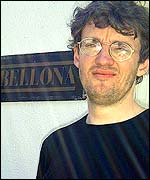
The northernmost parts of Norway routinely enjoy tax breaks as part of a policy to maintain the districts. The European Free Trade Area's (Efta) surveillance authority, Esa, forced the Norwegian Government to restrict the state aid so as not to break Efta free trade regulations. But illegal tax breaks were not the main agenda of the environmental organisations. They have long sounded alarm bells against any exploration of fossil fuel in the Arctic, arguing the area is too fragile. Domino effect Oslo-based environmental group The Bellona Foundation has been at the forefront trying to stop the project.
Liquid gas power production in such a remote area was not an efficient way of energy production, he said. "The LNG is supposed to be transported to the markets on board ships, which is not very favourable for the environment. And the process of cooling down the gas to liquid form takes a lot of energy," he said. Sceptical The Norwegian Polar Institute, one of the organisations asked by the Norwegian Government to assess the plans for the Snow White development, also remained sceptical.
"We are particularly worried about the long-term effect on the marine ecosystem, which will be affected by chemical discharges," he said. "We also question the increase in CO2 emissions from the on-land gas-fired power production. This will represent the equivalent of emissions from several gas power plants," he said. Local support In the far northern town of Hammerfest, however, it is hard to find critics of the Snow White project. The town will host the main on-land power production. Hammerfest, as well as the entire region, is in need of fresh investment and new jobs. The town's mayor, Alf Jakobsen, is among those welcoming the project with open arms. Speaking to News Online from his office 1,100 kilometres (690 miles) inside the Arctic Circle, he easily listed what he felt were the positive aspects of Snow White. "The construction work alone will mean up to 2,000 new jobs for the region," he said. "At least 200 jobs will be created to run the on-land part of the plant, and we're reckoning on another 600-800 jobs as an indirect result of the project." Fishing is by far the most important industry in Mr Jakobsen's part of Norway. But the yield from traditional fisheries has long been declining. People increasingly turn to fish farming. The Snow White plant could help increase production on fish farms, Mr Jakobsen said.
He had no time for the concerns of environmental organisations like the Bellona Foundation. "They are conducting negative propaganda. What we are doing here is according to very high environmental standards. "It is important to be ahead of the game in the Barents Sea, so that we can set environmental standards. We shouldn't wait for the Russians to start developments there." Court action Back in Oslo, Jon Gauslaa of the Bellona Foundation doesn't see the advantages of being first to explore the Barents Sea. The region is too fragile, he argues, and what is more, Norway doesn't need the new energy. "Norway's oil production in the North Sea should be more than sufficient energy production for this country," he said. The Bellona Foundation is now preparing to appeal against Esa's decision to give the all clear for development in the Barents Sea. | | See also:  22 Mar 02 | Europe Internet links: The BBC is not responsible for the content of external internet sites Top Europe stories now: Links to more Europe stories are at the foot of the page. | ||||||||||||||||||||||||||||||||||||||||||||||||||||||||||||||||||||||||||||||||||||||||||||||||||||||||||||||||||||||||||||||||||||||||||||||||||||||||||||||||||||||||||||
| |
|  E-mail this story to a friend E-mail this story to a friend |
| |
| Links to more Europe stories |
| | | ||
 | ||||
 | | Back to top
| ||
| ---------------------------------------------------------------------------------- To BBC Sport>> | To BBC Weather>> | To BBC World Service>> ---------------------------------------------------------------------------------- © MMIII | News Sources | Privacy |