|
 |
 | | | | | | |||||||||||||||||||||||||||||||||||||||||||||||||||||||||||||||||||||||||||||||||||||||||||||||||||||||||||||||||||||||||||||||||||||||||||||||||||||||||||||||||||||||||
| | | You are in: Europe | |||||||||||||||||||||||||||||||||||||||||||||||||||||||||||||||||||||||||||||||||||||||||||||||||||||||||||||||||||||||||||||||||||||||||||||||||||||||||||||||||||||||||||
|
| | Tuesday, 28 May, 2002, 15:56 GMT 16:56 UK Sober expectations behind Nato summit Putin, Robertson and Berlusconi: Self-interest
A canopied dining area, a temporary press centre, and the summit venue itself, a temporary plywood facade styled on the ancient Roman coliseum.
There was lots of talk about history, of turning away from past misunderstandings and antipathies. But when all is said and done, it's going to take more than one morning's work to create a real partnership between Nato and Russia. Old suspicions die hard. The Russian President Vladimir Putin has clearly determined that his country and the Western allies now have sufficient security interests in common to try to forge a new relationship. But many in his country, not least in the Russian Defence Ministry in Moscow, still view Nato in negative terms.
Many in Russia wonder why Nato hasn't simply withered away like its old Cold War adversary the Warsaw Pact. But diplomacy is as much about shaping events as it is simply reacting to them. And the terrorist attacks in New York and Washington last September have shuffled the diplomatic pack of cards in an unexpected way.
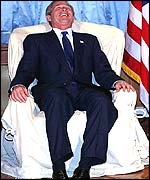
Certainly there is calculated self-interest here. But President Putin along with many Western leaders - UK Prime Minister Tony Blair and President George Bush in the vanguard - clearly saw an opportunity to put Russia/Nato relations on a new footing. This summit is proof of their determination. Behind the hyperbole and talk about making history, expectations are more sober and restrained. Revealing answers The Nato-Russia Council certainly has an important agenda, dealing initially with matters like terrorism and efforts to halt the proliferation of weapons of mass destruction. But the fact that the crisis between India and Pakistan was discussed here over lunch suggests that one day this new relationship could become an important element in crisis management and conflict resolution. President Vladimir Putin was asked if he had convinced his critics at home of the value of this new deal with Nato. His answer was revealing. He said that the Russian people well understood their country had gained nothing from its Cold War confrontation with the rest of the world. | | See also:  28 May 02 | Europe 14 May 02 | In Depth 12 May 02 | Europe 24 May 02 | Europe 14 May 02 | In Depth 27 May 02 | Europe 15 May 02 | Country profiles Internet links: The BBC is not responsible for the content of external internet sites Top Europe stories now: Links to more Europe stories are at the foot of the page. | |||||||||||||||||||||||||||||||||||||||||||||||||||||||||||||||||||||||||||||||||||||||||||||||||||||||||||||||||||||||||||||||||||||||||||||||||||||||||||||||||||||||||
| |
|  E-mail this story to a friend E-mail this story to a friend |
| |
| Links to more Europe stories |
| | | ||
 | ||||
 | | Back to top
| ||
| ---------------------------------------------------------------------------------- To BBC Sport>> | To BBC Weather>> | To BBC World Service>> ---------------------------------------------------------------------------------- © MMIII | News Sources | Privacy |