|
 |
 | | | | | | ||||||||||||||||||||||||||||||||||||||||||||||||||||||||||||||||||||||||||||||||||||||||||||||||||||||||||||||||||||||||||||||||||||||||||||||||||||||||||||||||||
| | | You are in: Europe | ||||||||||||||||||||||||||||||||||||||||||||||||||||||||||||||||||||||||||||||||||||||||||||||||||||||||||||||||||||||||||||||||||||||||||||||||||||||||||||||||||||
|
| | Wednesday, 22 May, 2002, 16:23 GMT 17:23 UK Prodi pushes for more power Mr Prodi has some big ideas European Commission President Romano Prodi has demanded wide-ranging new powers for Brussels which he says would give the EU the political and economic clout it needs to operate on a world stage.
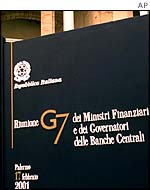
In a move likely to irk the three countries who have not signed up to the single currency, he pushed for more economic powers to be given to the 12 euro zone states, and called for a single political voice to represent these countries on international bodies like the International Monetary Fund and G7. Meanwhile the commission itself would take on more power to pursue initiatives in foreign affairs, justice and immigration under Mr Prodi's proposals. These are all areas which have traditionally been under the control of each EU member state, and which many would be reluctant to relinquish.
"The UK is against tax harmonisation, and we have made that position clear," treasury spokesman Simon Moyse told BBC News Online. "But Mr Prodi's remarks are simply suggestions among a large number which have been put up for debate on the future of Europe," he said. "It's going to be up to the member governments to make the real decisions." Hurdles ahead Mr Prodi's proposals form the commission's contribution to a task force on the future of Europe, a body set up to examine how the union should be run once it is expanded from its current 15 members to 25.
Critics say establishing exclusive economic groups and replacing individual government envoys with Brussels representatives would not fit well with ambitions to bring the EU closer to its citizens. But even if such ideas were to win the support of the convention, led by former French President Valery Giscard d'Estaing, they would still face several hurdles before they could become law. The convention will present its first findings this summer and produce a final report in June 2003. It will then put proposals forward for a new treaty, which - when it is drawn up - would need to be approved by the EU's member states at an inter-governmental conference in 2004. | | See also:  22 May 02 | Business 26 Feb 02 | Europe 17 Dec 01 | Europe 13 Dec 01 | Europe 30 Nov 01 | Europe Top Europe stories now: Links to more Europe stories are at the foot of the page. | ||||||||||||||||||||||||||||||||||||||||||||||||||||||||||||||||||||||||||||||||||||||||||||||||||||||||||||||||||||||||||||||||||||||||||||||||||||||||||||||||||
| |
|  E-mail this story to a friend E-mail this story to a friend |
| |
| Links to more Europe stories |
| | | ||
 | ||||
 | | Back to top
| ||
| ---------------------------------------------------------------------------------- To BBC Sport>> | To BBC Weather>> | To BBC World Service>> ---------------------------------------------------------------------------------- © MMIII | News Sources | Privacy |