|
 |
 | | | | | | |||||||||||||||||||||||||||||||||||||||||||||||||||||||||||||||||||||||||||||||||||||||||||||||||||||||||||||||||||||||||||||||||||||||||||||||
| | | You are in: Entertainment | |||||||||||||||||||||||||||||||||||||||||||||||||||||||||||||||||||||||||||||||||||||||||||||||||||||||||||||||||||||||||||||||||||||||||||||||||
|
| | Thursday, 21 November, 2002, 15:40 GMT Spike Lee's unconventional career 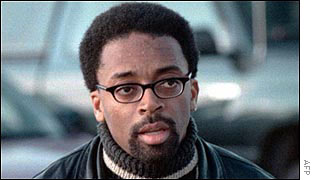 Spike Lee: the most successful black director in US history
Director Spike Lee is being given a special Bafta award on Thursday for his contribution to modern cinema. Spike Lee may have been born in Atlanta, but his adopted home of New York inspired his long movie-making career. Born Shelton Lee in Atlanta in 1957, he moved to Brooklyn as a child. His father was a jazz musician and his mother a school teacher - she dubbed him "Spike" due to his hardy character. He would certainly live up to his prickly nickname - his career has been highlighted by a willingness to confront thorny issues, and Lee has seemingly enjoyed the controversy they have caused. 'Prejudice' He moved back to Atlanta to study mass communications at Morehouse College - he apparently found a love for movies after his friends took him to see films after his mother died unexpectedly in 1977. He then moved to New York University and made his thesis film Joe's Bed-Stuy Barbershop: We Cut Heads in 1982. It won a student award, and the film was showcased at the Museum of Modern Art. Lee made his mark with She's Gotta Have It, his 1986 sexual comedy about a woman and her three lovers.
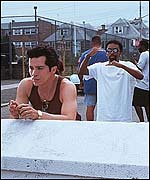
Lee was unable to get help from Hollywood studios - he would later claim the film establishment was prejudiced against African-American directors - and raised the $175,000 budget himself. The film was a surprise hit in the US and took over $7m. It also showcased Lee's acting skills - he played one of the three suitors. Discontent The film kickstarted his career - he followed it up with School Daze, which created a furore for portraying prejudice within an all-black college. He based it on seeing the difference between urbane, urban blacks and students who came from the poorer south. The film was barely promoted by Columbia Pictures, but still managed to make $15m. More controversy followed with 1989's Do The Right Thing, a tale of simmering discontent between blacks and Italian-Americans in the district of Bedford-Stuyvesant, and the racism within the police force. It was, however, accused of being inflammatory by some critics. His next film, the 1990 comedy Mo' Better Blues, was about a jazz trumpeter, a character based loosely on his father.
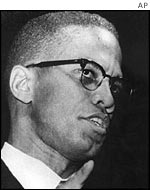
Jungle Fever in 1991 revisited the black-Italian racial tension with the story of a married black architect and his Italian-American secretary. But his next film was by far his most controversial - Malcolm X became a hugely controversial project, the story of the life and assassination of the militant black activist. Serial killer Warner Bros, which produced the film, originally wanted director Norman Jeweson to take charge. Lee complained a white man should not directing the life story of such an important black figure. It clocked in at over three hours, and Lee enlisted financial help from black figures such as Bill Cosby and musician Prince to help fund it. It is a typical Lee move - when he directs a film, he has it written in the contract that black workers have to be involved in all aspects of the film. His films since then have not courted so much debate, but they have not exactly been mellow either. Clockers, released in 1996, told the tale of two black brothers - one a drug dealer, one a family man - caught up in a murder case. Get On The Bus looked at four men taking part in the 1995 Million Man March. For 1999's Summer Of Sam, he moved out of African-American communities to the Italians of the Bronx, during the reign of the notorious serial killer Son Of Sam in 1977. Throughout his career, Lee has allied his roles as producer, actor, writer and director with sound commercial sense. He even runs a chain of stores, Spike's Joint, which sell merchandising related to his films. A father of two, he still lives in Brooklyn. | | See also:  21 Nov 02 | Entertainment 20 Oct 00 | Entertainment 14 Jul 00 | Entertainment Internet links: The BBC is not responsible for the content of external internet sites Top Entertainment stories now: Links to more Entertainment stories are at the foot of the page. | |||||||||||||||||||||||||||||||||||||||||||||||||||||||||||||||||||||||||||||||||||||||||||||||||||||||||||||||||||||||||||||||||||||||||||||||
| |
|  E-mail this story to a friend E-mail this story to a friend |
| |
| Links to more Entertainment stories |
| | | ||
 | ||||
 | | Back to top
| ||
| ---------------------------------------------------------------------------------- To BBC Sport>> | To BBC Weather>> | To BBC World Service>> ---------------------------------------------------------------------------------- © MMIII | News Sources | Privacy |