|
 |
 | | | | | | |||||||||||||||||||||||||||||||||||||||||||||||||||||||||||||||||||||||||||||||||||||||||||||||||||||||||||||||||||||||||||||||||||||||||||||||||||||||||||||||||||||||||||||||||||||||
| | | You are in: Entertainment | |||||||||||||||||||||||||||||||||||||||||||||||||||||||||||||||||||||||||||||||||||||||||||||||||||||||||||||||||||||||||||||||||||||||||||||||||||||||||||||||||||||||||||||||||||||||||
|
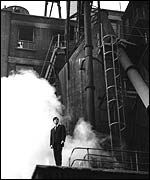
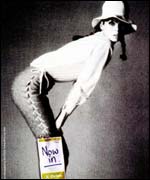
| | Friday, 9 August, 2002, 13:33 GMT 14:33 UK Photography's impact on the 60s 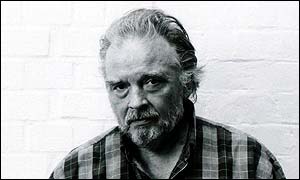 Bailey: Forefront of 60s fashion photography David Bailey and other photographers from the 1960s did not merely record the era, they helped to shape it. A programme on BBC Two examines how photography has influenced fashion and style. Fashion photography came of age in the 1960s. From inauspicious roots in the East End of London, David Bailey and Terence Donovan began to transform the art of photography by anticipating other movements and styles before anybody else had imagined them. Thanks to their innovation, they and other photographers were soon to become as famous as the people they photographed.
"I remember her swirling around against the back light, and I thought: 'My God, it's so beautiful'. "It was sort of back lit, and I didn't know what back lit was in those days. "That was the first vision of a woman I really had." A photograph by famous French photographer Henri Cartier Bresson then changed his view of photography for ever.
"That was the first time I realised that photography was a bit more than just a recording machine," he said. Donovan, another East End boy, started taking photographs in 1951. His talent was established early on when, in 1953, he won a medal at the Bethnal Green camera club for a picture he had taken two years earlier. Donovan, who died in 1996, said it was not easy pursuing his chosen career.
"He was designed to be a tailor's assistant, and I was going to be loading sugar down Tate & Lyle." After National Service, both Bailey and Donovan worked for John French's studios that were "a finishing school for photographers", according to Brigid Keenan, fashion editor of the Sunday Times in the 60s. However this was still a static era in which models posed in prescribed ways.
Marit Allen, fashion editor of Vogue: Young Idea, 1963-72, described the era as "the first time young people wanted to be themselves". Bailey was catapulted into the public eye by his 1960 Autumn Girl photograph of a model kneeling on the floor and appearing to kiss a squirrel. Donovan told Bailey at the time: "This picture's a breakthrough."
"It was a great slap of excitement, it was tremendous," she said. "When I showed the collections, I knew I wanted the girls to move like Bailey photographs - to jump, to be alive." Donovan brought a gritty, East End feel to Man About Town magazine, owned by Michael Heseltine, influencing its image with film-style shots. His pictures of "spy" scenes, which pre-dated the James Bond films, resulted in model Peter Anthony being asked to screen test for the role of 007. David Hillman, art director of the Sunday Times magazine, 1962-68, praised the magazine's bold stance.
"That was considered really bizarre - but as a man, you didn't mind being seen sitting on a tube and reading that because it was kind of tough and ballsy." Meanwhile, Bailey, was busy helping transform Vogue. Felicity Green, fashion editor of the Sunday Pictorial, 1958-63, observed: "Bailey photographed real people in real situations.
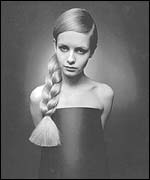
Bailey's brief, to revitalise the Young Idea section at Vogue, was achieved with fashion model Jean Shrimpton. Shrimpton reflected: "I think our success was mainly down to timing. "Everyone had been very elegant and I was a mongrel by comparison and he was as well - he portrayed me as a natural, rather scruffy girl. "So I think we made it more human and accessible."
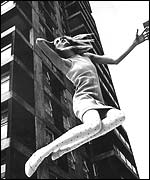
While Bailey and Shrimpton worked together, photographer John Cowan established his own adventurous style with model Jill Kennington, even taking a series of photographs of her parachuting. And photographer Lewis Morley became famous for his provocative shot of prostitute Christine Keeler, who sparked the resignation of former British war minister John Profumo. "I used the old ploy of using a chair back to front", he said. Image-makers "I suddenly saw her sitting in the position that was very similar to the other position, but just had something different, so I snapped it." The photograph now hangs in the Victoria and Albert museum. By 1964 the young photographers were already firmly established not only as chroniclers of the decade, but also its image-makers. The Real Blow-Up will be broadcast at 2000BST on BBC Two on Saturday, 10 August 2002. | |
See also:  15 Jun 01 | Entertainment 16 Apr 99 | Entertainment 26 Aug 98 | Entertainment Internet links: The BBC is not responsible for the content of external internet sites Top Entertainment stories now: Links to more Entertainment stories are at the foot of the page. | |||||||||||||||||||||||||||||||||||||||||||||||||||||||||||||||||||||||||||||||||||||||||||||||||||||||||||||||||||||||||||||||||||||||||||||||||||||||||||||||||||||||||||||||||||||||
| |
|  E-mail this story to a friend E-mail this story to a friend |
| |
| Links to more Entertainment stories |
| | | ||
 | ||||
 | | Back to top
| ||
| ---------------------------------------------------------------------------------- To BBC Sport>> | To BBC Weather>> | To BBC World Service>> ---------------------------------------------------------------------------------- © MMIII | News Sources | Privacy |