|
 |
 | | | | | | ||||||||||||||||||||||||||||||||||||||||||||||||||||||||||||||||||||||||||||||||||||||||||||||||||||||||||||||||||||||||||||||||||||||||||||||||||||||||||
| | | You are in: Business | ||||||||||||||||||||||||||||||||||||||||||||||||||||||||||||||||||||||||||||||||||||||||||||||||||||||||||||||||||||||||||||||||||||||||||||||||||||||||||||
|
| | Monday, 3 February, 2003, 07:21 GMT Cambridge spies a tech revival  At the technological cutting edge since 1226
Until not long ago, the lack of sun, palm trees and sparkling skyscrapers was seen as a sign that Europe's biggest concentration of technology businesses could not last. In fact, the peculiarities of Cambridge's "Silicon Fen" may have enabled it to ride out the global tech slump. Even - possibly - to thrive. Tricky, not tragic The past couple of years have been rough on Cambridge, but not excessively so.
"Our pipeline of leads and opportunities was not diminishing, but nor was it getting consummated. "Nothing was getting built, and we took that as an indicator that people were just treading water, waiting for something positive to happen." Many firms shut down; others, like chip maker ARM Holdings, the region's biggest tech company, saw once-mighty shares tumble. Reasons to be cheerful Could the worst be over already? Many in Cambridge think so.
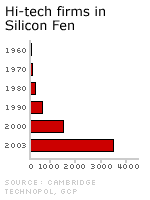
"Cambridge is a small place: if people are enthusiastic, it tends to rub off. There is a sort of self-sustaining desire right now to be optimistic." Indeed, the region seems to have emerged from the crisis more robust than before. In 2000, Silicon Fen was home to 1,550 hi-tech firms, employing some 44,000 people; now, according to new figures from the Greater Cambridgeshire Partnership (GCP), a regional lobby group, there are 3,500 firms with 55,000 staff. And despite its reliance on tech firms, the greater Cambridge area has an annual output growth rate of almost 8% - four times the national average. Critical mass Some of this can be attributed to the sort of corporate mix Cambridge attracts - fewer once-modish internet or software companies, more research-intensive firms in biosciences, medical technology and the like. "Cambridge was lucky enough not to get involved in all the fluff of the 1990s," says Hermann Hauser, head of venture capital firm Amadeus Capital and another founding father of Silicon Fen.
"We have built up a solid undergrowth of serial entrepreneurs - people who have succeeded in the past and prove it can be done," says Dr Hauser. "Five years ago, we could not point to one Cambridge company that had made a name on the global stage - now there are half a dozen." Blowing their own trumpet Silicon Fen has also started to pour more effort into decidedly un-British boosterism. At the GCP, director Martin Garratt says he has extended his conception of Silicon Fen across at least five counties, from Stansted airport in the south to not far from Peterborough in the north. 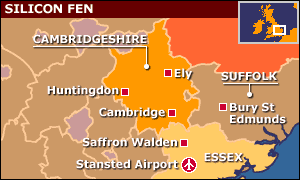 "Until a couple of years ago, the university maintained a policy of benign neglect," says Dr Hauser. The two parties long worked in happily unstructured symbiosis: companies fed off the university's top-class cadre of research scientists, while Silicon Fen provided a steady source of employment and enrichment. The fact that the university remained airily laisser-faire, allowing staff to wander off into the business world without a qualm, actively helped Silicon Fen develop, Dr Hauser argues. Many other universities tried to control their academics' business ventures, hoping to grab a slice of the action - in most cases only serving to stifle creativity. Trying harder That benign neglect is forming into something more active. For years, Cambridge colleges have sponsored innovation centres, and the university's corporate liaison office has attempted to manage links between business and academe.
"Five years ago, there was no teaching in entrepreneurship at Cambridge," says Peter Hiscocks, head of the university's Enterpreneurship Centre. "We want enterprise to be as relevant a career option for Cambridge graduates as, say, the law. And we're making huge progress." The centre offers some 28 modular business courses to all Cambridge students: its main business basics course has jumped from 120 students when it was launched three years to 620 this year. Trying too hard Is it all too good to be true? Certainly, things could go wrong yet. In its eagerness to come over all business friendly, the university could blunder.
"It's impossible to preserve academic freedom within a rigid framework of intellectual property enforcement," fumes Mike Clark, a lecturer in the pathology department and a keen opponent of the scheme. Dr Clark worries that the university will sell its intellectual property wholesale to an over-mighty bidder; others are concerned that it will cost Cambridge its creative edge. "The university has so far had a policy to have no policy on intellectual property," insists Chris Padfield, head of the Corporate Liaison Office. "The purpose of this move is to have a crystal clear situation, so both academics and venture capitalists know where they stand." Transport crunch Silicon Fen may yet dodge this bullet: an outcry among dons has persuaded the authorities to refer the matter back to a committee. Tougher to avoid will be the region's mounting misery over infrastructure. Rail links to anywhere but central London are patchy: "Getting to Heathrow from Cambridge is pue hell," sighs John Hodgson, chief executive of Cambridge Silicon Radio:
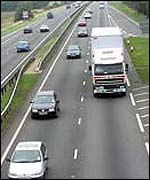
This, combined with rapid business expansion and the pedestrianisation of central Cambridge, leaves many main roads woefully congested - especially the much-cursed A14, a crucial route between the Midlands and the East Anglian coast. "The situation is desperate: some of our brightest people are forced to spend two hours a day each way stuck in traffic," says Dr Hauser. Stuck in a jam According to the GCP, �2bn will be required to bring the region's infrastructure up to scratch. Planners point to the example of Munich, where the city authorities invested an equivalent amount to facilitate a far smaller hi-tech zone. The GCP is asking central government to stump up some �700m to help finance a raft of projects, arguing that the economic boost from Silicon Fen more than justifies the outlay. The government has, in theory, approved improvements to the A14, but the wheels of such projects move at a glacial pace. In the meantime, the jams on the Huntingdon road could be holding up more than just the traffic. | | See also:  23 Dec 02 | Education 15 Oct 02 | England 15 Oct 02 | England 26 Sep 02 | England 27 Aug 02 | Education 02 Nov 01 | Education Internet links: The BBC is not responsible for the content of external internet sites Top Business stories now: Links to more Business stories are at the foot of the page. | ||||||||||||||||||||||||||||||||||||||||||||||||||||||||||||||||||||||||||||||||||||||||||||||||||||||||||||||||||||||||||||||||||||||||||||||||||||||||||
 | |
|  E-mail this story to a friend E-mail this story to a friend |
| |
| Links to more Business stories |
| | | ||
 | ||||
 | | Back to top
| ||
| ---------------------------------------------------------------------------------- To BBC Sport>> | To BBC Weather>> | To BBC World Service>> ---------------------------------------------------------------------------------- © MMIII | News Sources | Privacy |






 There is a self-sustaining desire right now to be optimistic