|
 |
 | | | | | | |||||||||||||||||||||||||||||||||||||||||||||||||||||||||||||||||||||||||||||||||||||||||||||||||||||||||||||||||||||||||||||||||||||||||||||||||||||
| | | You are in: Business | |||||||||||||||||||||||||||||||||||||||||||||||||||||||||||||||||||||||||||||||||||||||||||||||||||||||||||||||||||||||||||||||||||||||||||||||||||||||
|
| | Tuesday, 7 January, 2003, 21:05 GMT US car makers fight back  GM hopes its new saloon can compete with Asia
It is no secret that Asian auto makers have been making steady gains against their US counterparts in the competitive American car market. Having beaten the likes of General Motors, Ford and Chrysler at building the quintessential family saloon, Japan and Korea have now set their sites on that last bastion of Detroit's profitability - the truck market. Toyota, Nissan and Mitsubishi have shown this week how they intend to do just that in unveiling several new models at the North American International Auto Show in Detroit. The tack leaves some auto analysts wondering if it is not the one-two punch that may do the domestic car industry in. After, it has been the Big Three's reliance on trucks that has helped sustain them as the Toyota Camry, and Honda Accord and Civic dominate the family-car market. Fresh competition Japan is ready to succeed in America's truck market in the same way it gained ground with saloons, by meeting demands by US consumers long left unfulfilled by Detroit.
The new model, the first Lexus to be built in North America, is expected in showrooms by the autumn. It replaces the RX 300, which some consumers found too small. Meanwhile, Mitsubishi intends to start selling its Endeavor in American showrooms in February, expanding its SUV line-up to three. Finally, Nissan unloaded a two-fisted punch, debuting two variations of its FX sport wagon, a decidedly un-truck-like SUV, and a full-size pickup, aimed squarely at GM's Chevrolet and GMC brands as well as Ford's best-selling F-Series trucks. Back to the future But just as Asian manufacturers have turned their attention to the US truck market, American designers are revisiting their love affair with the car.
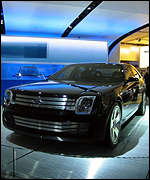
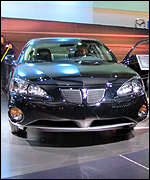
In unveiling the new offering, set to hit showrooms in September as a 2004 model, GM Vice Chairman Bob Lutz said, "We've improved our share by making huge strides in trucks. Now we're trying to stem the erosion in cars." GM's Pontiac division showed off its restyled Grand Prix saloon, its current design having long reached veteran status. Ford, too, is keen on ebbing the tide of foreign defections. On Monday, the Dearborn, Michigan-based firm took the wraps off its Ford 427 show car, billed as a salute to the large, family highway cruisers of the 1960s. In addition, the world's second-largest auto maker has plans to introduce the Ford 500, a full-size saloon, in 2005, as well as a new mid-size car a year later. Chrysler, the American division of DaimlerChrysler, plans to unveil a new replacement for its Dodge Intrepid family saloon next year, replacing it with a rear-wheel drive variant. Gas guzzlers GM, Ford and Chrysler once owned the family saloon market. But the Arab oil embargo in 1973 and a second oil crisis five years later mortally wounded the ponderous vehicles that once-dominated US highways. Americans began looking east for more fuel-efficient vehicles, embracing Honda Accords, Toyota Corollas and diesel-powered Volkswagens. In the roaring economy of the 1990s, however, fuel economy took a back seat to functionality, and SUVs seemed better suited for prosperous, active lifestyles - even if they gulped petrol. While highly profitable, the popular, gas-guzzling SUVs and trucks American manufacturers sell in droves hinder the Ford, GM and Chrysler from achieving federally mandated Corporate Average Fuel Economy standards (Cafe). Each fuel-efficient compact or mid-size car that gets 21 miles per gallon (mpg) helps offset the 15 mpg behemoths Ford, Chrysler and GM have become so dependent upon for profits. That fact leaves some industry critics wondering if Detroit is less concerned about its image than its need to comply with regulations. | | See also:  06 Jan 03 | Business 06 Jan 03 | Business 03 Jan 03 | Business 03 Jan 03 | Business 03 Jan 03 | Business 04 Dec 02 | Business 28 Feb 02 | Business Internet links: The BBC is not responsible for the content of external internet sites Top Business stories now: Links to more Business stories are at the foot of the page. | |||||||||||||||||||||||||||||||||||||||||||||||||||||||||||||||||||||||||||||||||||||||||||||||||||||||||||||||||||||||||||||||||||||||||||||||||||||
 | |
|  E-mail this story to a friend E-mail this story to a friend |
| |
| Links to more Business stories |
| | | ||
 | ||||
 | | Back to top
| ||
| ---------------------------------------------------------------------------------- To BBC Sport>> | To BBC Weather>> | To BBC World Service>> ---------------------------------------------------------------------------------- © MMIII | News Sources | Privacy |