|
 |
 | | | | | | |||||||||||||||||||||||||||||||||||||||||||||||||||||||||||||||||||||||||||||||||||||||||||||||||||||||||||||||||||||||||||||||||||||||||||||||||||||||||||||||||||||||||||||||||||||||||
| | | You are in: Business | |||||||||||||||||||||||||||||||||||||||||||||||||||||||||||||||||||||||||||||||||||||||||||||||||||||||||||||||||||||||||||||||||||||||||||||||||||||||||||||||||||||||||||||||||||||||||||
|
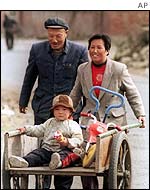
| | Tuesday, 7 January, 2003, 08:31 GMT China scraps jobs guarantee  Civil servants face greater uncertainty China is to end its guarantee of jobs-for-life for government officials, the official China Daily newspaper has reported. The decision was spelt out to a meeting of personnel officials from state-run institutions on Sunday by Vice-Minister of Personnel Shu Huiguo. About 30 million people work in state-run institutions, which range from national and provincial government bodies to academic institutes. Mr Shu said individual employment contracts will be introduced as part of reforms to the government personnel management system. Civil servants join queue State-run factories have already laid off hundreds of thousands of workers as part of phasing out the jobs-for-life system.
The pace of market-oriented reforms has quickened since the country entered the World Trade Organisation a year ago. The jobs-for-life pledge, known as the "iron rice bowl" because metal is unbreakable, was once seen as an important part of the Chinese Communist Party's commitment to protect workers. All China's 1.3 million state-run institutions will be expected to switch to the new contract system within five years, Mr Shu said. "The move is one of the biggest shake-ups in the field of employment in China and a vital part of the country's modernisation programme," the official Xinhua news agency reported. Job cuts The overhaul "will lead to a number of positions becoming redundant and some employees being laid off", it said, without giving any estimates of how many. Mr Shu has ordered officials to speed up work on drawing up the framework of new regulations needed to implement the reform, such as rules on redundancy payments and changes to the civil service code. To meet the need for new jobs, China's Communist authorities have embraced private enterprise permitting entrepreneurs to join the Communist Party. Private firms are to be allowed to raise money for expansion by issuing corporate bonds for the first time since the 1949 Communist revolution, an official of the State Development Planning Commission said on Tuesday. Privately owned firms, which were illegal 25 years ago, now make up 30% of China's economy. | |
See also:  06 Nov 02 | Asia-Pacific 02 Feb 02 | Media reports 05 Nov 02 | Asia-Pacific 06 Nov 02 | Asia-Pacific 05 Nov 02 | Asia-Pacific 07 Nov 02 | Business Internet links: The BBC is not responsible for the content of external internet sites Top Business stories now: Links to more Business stories are at the foot of the page. | |||||||||||||||||||||||||||||||||||||||||||||||||||||||||||||||||||||||||||||||||||||||||||||||||||||||||||||||||||||||||||||||||||||||||||||||||||||||||||||||||||||||||||||||||||||||||
 | |
|  E-mail this story to a friend E-mail this story to a friend |
| |
| Links to more Business stories |
| | | ||
 | ||||
 | | Back to top
| ||
| ---------------------------------------------------------------------------------- To BBC Sport>> | To BBC Weather>> | To BBC World Service>> ---------------------------------------------------------------------------------- © MMIII | News Sources | Privacy |