|
 |
 | | | | | | |||||||||||||||||||||||||||||||||||||||||||||||||||||||||||||||||||||||||||||||||||||||||||||||||||||||||||||||||||||||||||||||||||||||||||
| | | You are in: Business | |||||||||||||||||||||||||||||||||||||||||||||||||||||||||||||||||||||||||||||||||||||||||||||||||||||||||||||||||||||||||||||||||||||||||||||
|
| | Friday, 27 December, 2002, 13:26 GMT Crunch meeting for Indian oil sell-off  The two companies control the Indian fuel market India's biggest state-owned oil explorer has announced its intention to bid for one of the two oil companies up for privatisation in the country's long-planned and much-delayed energy sell-off. A cabinet rift has delayed plans to privatise stakes in Bharat Petroleum and Hindustan Petroleum, which between them dominate the domestic petrol market. Now, though, the cabinet's privatisation panel is due to agree a compromise when it meets on the evening of 27 December. But the revised deal could be further distorted if Oil & Natural Gas Corp (ONGC) continues with plans to bid for Hindustan Petroleum itself. Nationalism ONGC told the Sensex stock market in Bombay (also known as Mumbai) that it had approached the oil and gas ministry for permission to bid.
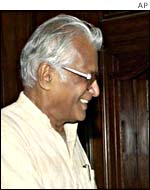
The cabinet committee on disinvestment (CCD) will pit Mr Naik against disinvestment minister Arun Shourie. Defence minister George Fernandes, who believes oil and gas are strategic national resources and should stay that way, is also likely to join in the argument. Shortfall The government is desperate to restart the privatisation process, which so far has raised only 50bn rupees (�635m; $1bn) - less than half the 120bn rupee target. This has made it tough for the government to push through reductions to a budget deficit of 5.35% of India's output. The compromise agreed early in December was for the government to float 35% of its two-thirds stake in Bharat, while selling a 15% stake in Hindustan to a strategic partner. Now, though, the Indian media is predicting that the strength of the Hindu right within the BJP means Prime Minister Atal Behari Vajpayee will back Mr Naik, allowing the ONGC bid to go ahead. But that could damage the rest of the government's privatisation plans by making foreign firms more reluctant to get involved. | | See also:  16 Dec 02 | Business 09 Dec 02 | Business 03 Oct 02 | Business 02 Oct 02 | Business 30 Sep 02 | Business 05 Aug 02 | Business 04 Jul 02 | Business 13 Jun 02 | Business Internet links: The BBC is not responsible for the content of external internet sites Top Business stories now: Links to more Business stories are at the foot of the page. | |||||||||||||||||||||||||||||||||||||||||||||||||||||||||||||||||||||||||||||||||||||||||||||||||||||||||||||||||||||||||||||||||||||||||||
 | |
|  E-mail this story to a friend E-mail this story to a friend |
| |
| Links to more Business stories |
| | | ||
 | ||||
 | | Back to top
| ||
| ---------------------------------------------------------------------------------- To BBC Sport>> | To BBC Weather>> | To BBC World Service>> ---------------------------------------------------------------------------------- © MMIII | News Sources | Privacy |