|
 |
 | | | | | | |||||||||||||||||||||||||||||||||||||||||||||||||||||||||||||||||||||||||||||||||||||||||||||||||||||||||||||||||||||||||||||||||||||||||||||||||||||||||||||||||||||||||||||||||||
| | | You are in: Business | |||||||||||||||||||||||||||||||||||||||||||||||||||||||||||||||||||||||||||||||||||||||||||||||||||||||||||||||||||||||||||||||||||||||||||||||||||||||||||||||||||||||||||||||||||||
|
| | Wednesday, 4 December, 2002, 21:58 GMT Norway told to conserve power 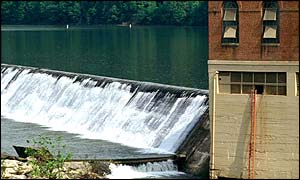 Hydroelectric stations generate most of Norway's electricity The Norwegian government has urged consumers to use less electricity as low rainfall threatens to cut hydroelectric power generation.
With Norwegian reservoir levels down by about 20% after a the driest autumn in 70 years, officials are worried that there could be serious power shortages as electricity demand peaks during the winter months. Prices on Norway's wholesale electricity markets jumped by a fifth on Wednesday in anticipation of lower supplies in the months ahead. Moderation Norwegian energy minister Einar Steensnaes said on Norwegian radio that the problem could be resolved through prudent use of electricity, although he added that rationing could not be ruled out. He told BBC radio's World Business Report that the increase in electricity prices should also help to moderate consumption. "We hope the high prices will lead to lower consumption and a better balance in the market," he said. Norwegians, accustomed to plentiful supplies of cheap power, are among the world's biggest consumers of electricity. Some analysts believe the problem has been exacerbated by Norway's failure to build new power stations. "There has been underinvestment in Norway for a number of years," Steve Thomas from the University of Greenwich told World Business Report. "It really was just a matter of time until (climatic factors) resulted in a shortage of electricity." Investment barrier Norway's competing electricity companies have been reluctant to invest in new generating capacity for fear of oversupplying the market. Building new hydroelectric power stations in Norway is also constrained by strict environmental rules which prohibit the construction of new dams. Mr Steensnaes said the Norwegian government was exploring alternative energy sources such as wind farms as well as small-scale hydroelectric plants which would not require new damming projects. "(These)could contribute to a better power balance," he said. | |
See also:  02 Dec 02 | Business 29 Nov 02 | Europe 28 Nov 02 | Europe 11 Nov 02 | Science/Nature Internet links: The BBC is not responsible for the content of external internet sites Top Business stories now: Links to more Business stories are at the foot of the page. | |||||||||||||||||||||||||||||||||||||||||||||||||||||||||||||||||||||||||||||||||||||||||||||||||||||||||||||||||||||||||||||||||||||||||||||||||||||||||||||||||||||||||||||||||||
| |
|  E-mail this story to a friend E-mail this story to a friend |
| |
| Links to more Business stories |
| | | ||
 | ||||
 | | Back to top
| ||
| ---------------------------------------------------------------------------------- To BBC Sport>> | To BBC Weather>> | To BBC World Service>> ---------------------------------------------------------------------------------- © MMIII | News Sources | Privacy |