|
 |
 | | | | | | ||||||||||||||||||||||||||||||||||||||||||||||||||||||||||||||||||||||||||||||||||||||||||||||||||||||||||||||||||||||||||||||||||||||||||||||||||||||||||
| | | You are in: Business | ||||||||||||||||||||||||||||||||||||||||||||||||||||||||||||||||||||||||||||||||||||||||||||||||||||||||||||||||||||||||||||||||||||||||||||||||||||||||||||
|
| | Wednesday, 20 November, 2002, 14:49 GMT Corner shops battle for survival 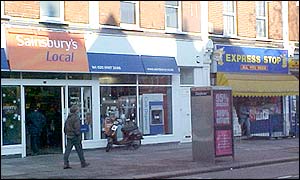 Supermarkets are crowding out the corner shop.
Britain's retail wars have entered a deadly new phase, and this time, the traditional corner shop is in the firing line. Stymied by strict planning regulations, the big boys of British retailing are moving away from giant out-of-town shopping centres back towards High Streets in the search for continued sales growth.
"The smaller store market has become the new battleground," says Steve Gotham, analyst at retail consultancy Verdict. "This will raise consumer expectations of what they can get on their doorstep, and there will be casualties locally." Local opportunity Big name retailers have long been aware of the potential of the neighbourhood grocery market, particularly in affluent suburbs inhabited by large numbers of young professionals.
Most of the big supermarket groups have opened branded local operations in recent years, with the Tesco Express, Sainsbury Local, and M&S Simply Food chains the best-known examples. But the trend accelerated sharply last month when Tesco announced it was buying the convenience store group T&S, the most aggressive move into the neighbourhood market by a big-name retailer so far. The deal looks set to turn Tesco, already the UK's leading supermarket firm, into the country's second biggest convenience store chain after the Co-operative Group. It's an ominous development for independent grocers, particularly those based in T&S' home market, the West Midlands. "Tesco will be disappointed if they don't double the T&S stores' business, and the increase will come from local greengrocers and off-licenses," says Mr Gotham. Watchdog check The Office of Fair Trading (OFT) is assessing whether there are grounds for a competition probe into the T&S deal, and will announce its decision next month. Tesco itself is confident that the takeover does not give it a large enough share of the highly fragmented neighbourhood grocery market to raise significant competition issues.
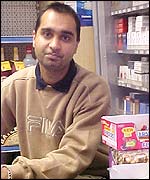
But whatever the OFT decides, it is clear that the arrival of a Tesco Express or a Sainsbury Local on a suburban High Street poses a formidable challenge to the area's independently-owned shops. The new big-name neighbourhood stores offer a wider range of fresh products and luxury goods than the local corner shop, usually in bigger and more attractive premises. They also bring the awesome marketing power of a national retail brand to bear on the local market. For many small retailers, it is an unequal contest. High Street trouble The Star Mini Market in Balham, south London, is still in business five years after a Tesco Express opened across the road, but weekly takings have fallen from an upper limit of �5,000 to about �4,000, the owners say. And in the affluent west London suburb of Chiswick, Hafiz Mohammed of Supersave Food and Wine says customers deserted in droves when a Sainsbury Local first set up shop 50 yards away. "People go to [Sainsbury Local] just because of the name," he says. "Initially, business went completely dead, and then picked up again. Luckily we had renovated just before they opened up."
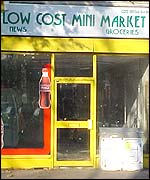
The impact on neighbouring local store Express Stop, which occupies premises next door to Sainsbury Local, has been more long lasting. "At first business dropped by 50%, and it's still down by about 25%," the store's owner says. "We used to shut at 9 o'clock. But after Sainsbury opened we had no choice: Now we are open 24 hours." He is in no doubt that there is a case for halting the supermarkets' encroachment into the neighbourhood grocery market. "It's just not fair. We simply can't get hold of a lot of the things they sell, such as ready made meals." Comeback strategy On the same parade of shops, halfway between Express Stop and Supersave, the empty shell of the Low Cost Mini Market illustrates the threat that the new convenience stores pose to independent local retailers.
Local shops wishing to avoid a similar fate have a limited number of options for continued survival. One approach is to concentrate exclusively on fresh foods, an area where even the big-name convenience stores' offering is limited. An alternative strategy is to start providing customer services such as video rentals and photocopying alongside corner shop staples such as bread, milk and cigarettes. Free marketeers argue that with consumers expressing an overwhelming preference for the Sainsbury Local or Tesco Express shopping experience, there is little reason to lament the passing of the corner shop. With all the attractive convenience store businesses now swallowed up by the big retailers, the supermarkets' invasion of the High Street is in any case expected to slow in the months ahead. But as ever, strict economic considerations do not tell the whole story. "Consumers will benefit," says Verdict's Steve Gotham. "But we will lose the colour and diversity of neighbourhood and suburban shopping parades." | | See also:  20 Nov 02 | Business 15 Nov 02 | Business 13 Nov 02 | Business 30 Oct 02 | Business 17 Sep 02 | Business 11 Oct 02 | Business Internet links: The BBC is not responsible for the content of external internet sites Top Business stories now: Links to more Business stories are at the foot of the page. | ||||||||||||||||||||||||||||||||||||||||||||||||||||||||||||||||||||||||||||||||||||||||||||||||||||||||||||||||||||||||||||||||||||||||||||||||||||||||||
| |
|  E-mail this story to a friend E-mail this story to a friend |
| |
| Links to more Business stories |
| | | ||
 | ||||
 | | Back to top
| ||
| ---------------------------------------------------------------------------------- To BBC Sport>> | To BBC Weather>> | To BBC World Service>> ---------------------------------------------------------------------------------- © MMIII | News Sources | Privacy |