
|
 |
 | | | | | | |||||||||||||||||||||||||||||||||||||||||||||||||||||||||||||||||||||||||||||||||||||||||||||||||||||||||||||||||||||||||||||||||||||||||||||||
| | | You are in: Business | |||||||||||||||||||||||||||||||||||||||||||||||||||||||||||||||||||||||||||||||||||||||||||||||||||||||||||||||||||||||||||||||||||||||||||||||||
|
| | Friday, 15 November, 2002, 07:35 GMT Tax shortfall means more debt for Japan 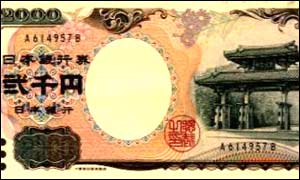 A multi-trillion yen tax shortfall in Japan is forcing the government to introduce an extra budget, just as the country struggles to implement plans to sort out massive bank bad debts. The plans for extra spending will be announced next week - and could push the government into a breach of its promise to keep its own immense debt burden under control. According to Finance Minister Masajuro Shiokawa, the new spending is needed to make up a deficiency in tax collections of up to 2.8 trillion yen ($23.2bn; �14.6bn), caused by the continuing weakness of the economy, rising unemployment and struggling corporations. The overall size of the package is still unclear, and will depend on negotiations within the heavily factionalised ruling party, but the Asahi Shimbun newspaper predicted it would reach 5 trillion yen. Troublesome vagueness The lack of detail on the package's possible contents is worrying observers. Japan's public debt tops 140% of its total annual national output, the result of a sequence of similar "supplementary budget" moves throughout the 1990s funded by huge borrowing. The aim was to kick-start the economy in the wake of the collapse of the asset price bubble which inflated in the 1980s. But the result was that money was spent on make-work public infrastructure projects largely designed to prop up ruling party politicians' standing in their constituencies, and help the construction, property and retail companies which pay their election expenses. These sectors bear the heaviest burden of bad debts, handed out by friendly banks during the 1980s and secured against shares and real estate whose value has now slumped. Battered banks Meanwhile, the banks themselves remain in deep trouble. Shares in the smallest and weakest of the Big Four, UFJ, fell more than 12% on Thursday and slipped a further 11% to a fresh all-time low on Friday. At the same time, bank bosses were telling a parliamentary committee that they do not need an injection of public funds. The fear that the process of cleaning up at least 50 trillion yen and probably much more in non-performing loans could result in nationalisation of one or more of the big players is driving the share selloff. For the moment, the architect of the rescue plan, economy and financial services minister Heizo Takenaka, is insisting that they are in no "immediate" danger. But fears of a wave of bankruptcies remain. | |
See also:  14 Nov 02 | Business 13 Nov 02 | Business 08 Nov 02 | Business 01 Nov 02 | Business 31 Oct 02 | Business 30 Oct 02 | Business 29 Oct 02 | Business Internet links: The BBC is not responsible for the content of external internet sites Top Business stories now: Links to more Business stories are at the foot of the page. | |||||||||||||||||||||||||||||||||||||||||||||||||||||||||||||||||||||||||||||||||||||||||||||||||||||||||||||||||||||||||||||||||||||||||||||||
| |
|  E-mail this story to a friend E-mail this story to a friend |
| |
| Links to more Business stories |
| | | ||
 | ||||
 | | Back to top
| ||
| ---------------------------------------------------------------------------------- To BBC Sport>> | To BBC Weather>> | To BBC World Service>> ---------------------------------------------------------------------------------- © MMIII | News Sources | Privacy |





