|
 |
 | | | | | | ||||||||||||||||||||||||||||||||||||||||||||||||||||||||||||||||||||||||||||||||||||||||||||||||||||||||||||||||||||||||||||||||||||||||||||||||||||||
| | | You are in: Business | ||||||||||||||||||||||||||||||||||||||||||||||||||||||||||||||||||||||||||||||||||||||||||||||||||||||||||||||||||||||||||||||||||||||||||||||||||||||||
|
| | Tuesday, 12 November, 2002, 11:33 GMT Pakistan's poor seek share of riches
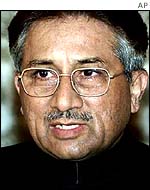
The latest praise for Pakistan's economic management from International Monetary Fund (IMF) has failed to impress critics of President Pervez Musharraf's economic policy. "IMF and the military government's economic team may congratulate each other on doing a fine job," says Asim Sajjad Akhtar, an analyst at the Islamabad-based Sustainable Development Policy Institute.
In its annual review of Pakistan's economy released last week, the IMF said the economic outlook was broadly encouraging, but added that more reforms were needed to put the nation on a better footing. The report came just days after the international lender approved the latest $114m payment for the country, under a $1.3bn poverty reduction programme. The IMF has been strongly supportive of President Musharraf's economic reform agenda, instituted three years ago when he toppled Prime Minister Nawaz Sharif's elected government and took over as chief executive of Pakistan. Poverty fears However, despite the overall praise, the IMF shared concerns of growing poverty being voiced by the critics.
Hence, the stresses in the IMF report on Pakistan's economic managers to do more to reduce poverty. Specifically, the IMF has urged Pakistan to boost tax collection and increase spending on basic health and education. But, it seems, that realisation is already prevailing. "We have been trying hard to create fiscal space to increase public spending and narrow the rich-poor gap," says Dr Pervez Tahir, chief economist at the Planning Commission of Pakistan. "And looking at our tax collection figures during the first quarter of this year, we believe things are starting to look up." Growth target Only two weeks ago, the State Bank of Pakistan came out with its own annual report on the economy with a similar message. The bank predicted that unless there was a major downturn globally, Pakistan's economy was likely to achieve a 4.5% growth target in the current financial year. However, the bank was categorical that progress would only come through if Pakistan maintained the momentum of ongoing reforms. "During the last couple of years, we have tried to clean up the economic mess of an entire decade of mismanagement," bank governor Dr Ishrat Hussain told BBC News Online from his Karachi office. "As the country's macro-economic indicators are starting to look good, if we stick to the reforms, it won't be long before ordinary Pakistanis start to feel the benefits." Reform hopes And that, perhaps, is the biggest concern of multilateral financial institutions such as the IMF and the World Bank - will the incoming political government in Pakistan stay firmly on the reform agenda? As negotiations for government formation continue in Islamabad, there are clear indications that the new government will indeed be committed to President Musharraf's economic policy. Pakistan's political parties may have their differences over issues of politics and power. But when it comes to economy, there seems to be a broad consensus on economic liberalisation, foreign investment and reforms. | | See also:  07 Nov 02 | Business 11 Oct 02 | Business 04 Oct 02 | Business 23 Aug 02 | Business 20 Aug 02 | Business 22 Apr 02 | Business Internet links: The BBC is not responsible for the content of external internet sites Top Business stories now: Links to more Business stories are at the foot of the page. | ||||||||||||||||||||||||||||||||||||||||||||||||||||||||||||||||||||||||||||||||||||||||||||||||||||||||||||||||||||||||||||||||||||||||||||||||||||||
| |
|  E-mail this story to a friend E-mail this story to a friend |
| |
| Links to more Business stories |
| | | ||
 | ||||
 | | Back to top
| ||
| ---------------------------------------------------------------------------------- To BBC Sport>> | To BBC Weather>> | To BBC World Service>> ---------------------------------------------------------------------------------- © MMIII | News Sources | Privacy |