|
 |
 | | | | | | |||||||||||||||||||||||||||||||||||||||||||||||||||||||||||||||||||||||||||||||||||||||||||||||||||||||||||||||||||||||||||||||||||||||||||||||||||||||
| | | You are in: Business | |||||||||||||||||||||||||||||||||||||||||||||||||||||||||||||||||||||||||||||||||||||||||||||||||||||||||||||||||||||||||||||||||||||||||||||||||||||||||
|
| | Tuesday, 5 November, 2002, 17:33 GMT How football was robbed 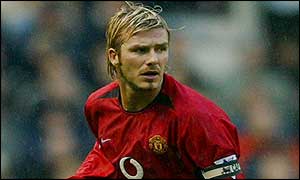 Beckham is England's top-earning player
 Some of Europe's top football clubs, anxious to contain their costs, are examining ways of cutting down the salaries of their most talented players. The spiralling cost of wages has crippled many of the smaller football clubs and slashed profits in the Premier League.
No surprise then that Beckham earned �15.5m last year, including his salary and commissions from merchandising. Similarly, teenage sensation Wayne Rooney, who has just been offered a professional contract with Everton, is rumoured to see his weekly earnings rise from �80 a week to �8,000. Beckham's earning power is fairly exceptional, but the average player still makes �500,000 a year - an increase of more than �100,000 on the previous year, according to Deloitte & Touche Sport. The price of ambition Ever-increasing wage inflation has spooked more than a few FC chairmen, particularly with the high-profile collapse of ITV Digital earlier this year. Money owed to the Football League for broadcasting rights was seen as crucial to clubs strapped for cash.
As clubs pull out the stops to climb up the league table, paying through the nose for the next Michael Owen has become de rigeur. The main reason clubs were able to hike their wages in the 1990s was the arrival of Sky TV, which paid lucrative sums to snap up television rights to Premier League games. "It wasn't really wild until the first Sky contract in 1991," says Brian Sturgess, chairman of Soccer Investor. The 'prune juice effect' Former Tottenham chairman Alan Sugar has described the phenomenon as the "prune juice effect" where what goes in one end comes out the other. As clubs lapped up Sky's millions, they were able to pay out even more for new players. The Bosman ruling in 1995, which allowed players to move more freely between different clubs and leagues, also heightened the bidding war for new talent. By the season of 1997 to 1998, players' wages in the Premier League shot up by an unprecedented 41%, according to Deloitte & Touche. Over the same period club revenues only increased by 25% - forcing them to spend an unsustainable amount of their income on the wage bill. 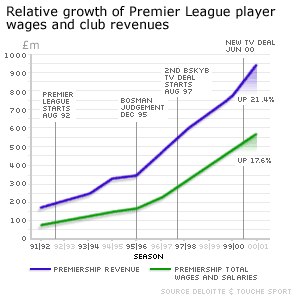 Manchester United is now the only club in the English Premiership to spend less than 50% of its turnover on player wages. Most other Premiership clubs spend between 60% and 70% on wages, while some Football League clubs spend a lot more, says Mr Sturgess of Soccer Investor. Second division QPR, which went into administration in 2001, was spending almost 120% of its revenues on players' wages, he adds.
"What we have done is bring some sanity to the club." And perhaps some sanity is returning. Premiership wages increased by 17.6% last season, which is the slowest rate of growth since 1995. "The market forces are starting to kick in," says Mr Sturgess. Sky has also pretty much seen off its broadcasting rivals, a development that could diminish the sums of money it is willing to pay for new rights when it re-negotiates its deal next year. Time to cap? Meanwhile in Brussels this week the G14 football clubs have set in motion a voluntary system of capping salaries - albeit at a fairly high level. The clubs have set a staff payroll ceiling of 70% of each club's turnover and have called for other clubs to respect their recommendations. However, the intricacies of maintaining a voluntary system and policing it are daunting. "Any capping system is artificial and people will rebel against the notion," says David Poole of Singer & Friedlander, which invests in sport and is a financier of football clubs. In the meantime, there's a good chance that the same market forces which pushed clubs to excess, may now curtail their spending. "It's supply and demand," adds Mr Poole. "The money that came from TV rights has now dried up. "Economics dictate that footballers are going to have to rein in their salary expectations. It's as simple as that." But, as Mr Poole admits, it's a shame "economics" didn't kick in three years earlier before too many clubs brought themselves to the brink of bankruptcy. | | See also:  05 Nov 02 | Europe 23 Oct 02 | Leicester City 22 Oct 02 | Business 10 Oct 02 | Business 30 Sep 02 | Business 12 Sep 02 | Scotland 02 Sep 02 | Business 27 May 02 | QPR 28 Mar 02 | Business 26 Mar 02 | Business 06 May 01 | Business Internet links: The BBC is not responsible for the content of external internet sites Top Business stories now: Links to more Business stories are at the foot of the page. | |||||||||||||||||||||||||||||||||||||||||||||||||||||||||||||||||||||||||||||||||||||||||||||||||||||||||||||||||||||||||||||||||||||||||||||||||||||||
| |
|  E-mail this story to a friend E-mail this story to a friend |
| |
| Links to more Business stories |
| | | ||
 | ||||
 | | Back to top
| ||
| ---------------------------------------------------------------------------------- To BBC Sport>> | To BBC Weather>> | To BBC World Service>> ---------------------------------------------------------------------------------- © MMIII | News Sources | Privacy |