
|
 |
 | | | | | | ||||||||||||||||||||||||||||||||||||||||||||||||||||||||||||||||||||||||||||||||||||||||||||||||||||||||||||||||||||||||||||||||||||||||||||||||||||||||||||||||||||||||||||||
| | | You are in: Business | ||||||||||||||||||||||||||||||||||||||||||||||||||||||||||||||||||||||||||||||||||||||||||||||||||||||||||||||||||||||||||||||||||||||||||||||||||||||||||||||||||||||||||||||||
|
| | Monday, 21 October, 2002, 20:50 GMT 21:50 UK US plans boost for generic drugs 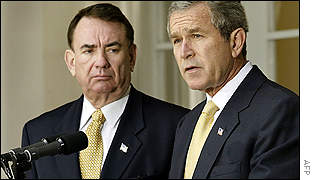 Bush: Seeks to lower prescription drug prices US President George W Bush has acted to stop abuses of patent law in order to make generic versions of prescription drugs more quickly available. In a rule proposed on Monday by the Food and Drug Administration (FDA), the government seeks to end to the practice by pharmaceutical firms to delay the introduction of low-cost generic drugs.
Such drugs lowered the cost of the average prescription last year to $17 from $72, Mr Bush said. The new ruling will not take effect for 60 days during the agency's "public comment" period, when drug firms are expected vehemently to attack the decision. Tinkering The action comes at a perilous time for drug firms. With few new drugs coming to market, they have resorted to minor changes as a way to assuage investors, nervous about the firms' ability to bring in the same kinds of profits derived from name-brand drugs. In recent years pharmaceutical firms have scrambled to keep profits flowing in from the brand-name drugs they have invented. In doing so, they have sought to extend patent protection beyond the initial 17-year period by refashioning packaging or adjusting drug formulations.
Recent examples include drug firms' reformulating popular anti-depressant drugs without substantially changing the strength but rather the number of times a dose is taken each day. Extending protection Such tinkering, critics say, is not worthy of an extension to existing patents and is in violation of the intent of a 1984 law that permits a 30-month extension on existing patents. When passed, the Hatch-Waxman Act sought to promote competitiveness within the drug industry while simultaneously extending some protection to brand-name makers. "Unfortunately the careful balance of the law is being undermined," Mr Bush said. He cited a Federal Trade Commission (FTC) finding earlier this year the big drug firms were abusing the 30-month extension by using more than once. Therefore, he said, Monday's ruling seeks to limit pharmaceutical firms to one 30-month delay. Hot issue Critics of the Bush administration called the new ruling election-year politicking, seeking to ensure votes from older Americans who are sometimes saddled with substantial prescription-drug costs. "We're glad that the president is finally paying this issue some attention," said New York Senator Charles Schumer, a Democrat. "But the devil is in the details, and the details don't look very airtight at all." Those aged 65 and older are the single largest voting block in the US, and skyrocketing prescription drugs have made the topic a hot political issue. | |
See also:  17 Oct 02 | Business 14 Oct 02 | Business 04 Jun 02 | Business 19 Jul 02 | Business 22 Feb 02 | Business Internet links: The BBC is not responsible for the content of external internet sites Top Business stories now: Links to more Business stories are at the foot of the page. | ||||||||||||||||||||||||||||||||||||||||||||||||||||||||||||||||||||||||||||||||||||||||||||||||||||||||||||||||||||||||||||||||||||||||||||||||||||||||||||||||||||||||||||||
| |
|  E-mail this story to a friend E-mail this story to a friend |
| |
| Links to more Business stories |
| | | ||
 | ||||
 | | Back to top
| ||
| ---------------------------------------------------------------------------------- To BBC Sport>> | To BBC Weather>> | To BBC World Service>> ---------------------------------------------------------------------------------- © MMIII | News Sources | Privacy |






