|
 |
 | | | | | | |||||||||||||||||||||||||||||||||||||||||||||||||||||||||||||||||||||||||||||||||||||||||||||||||||||||||||||||||||||||||||||||||||||||||||||||||||||||||||||||||||||||||||
| | | You are in: Business | |||||||||||||||||||||||||||||||||||||||||||||||||||||||||||||||||||||||||||||||||||||||||||||||||||||||||||||||||||||||||||||||||||||||||||||||||||||||||||||||||||||||||||||
|
| | Monday, 14 October, 2002, 09:21 GMT 10:21 UK Court bars copycat drug makers 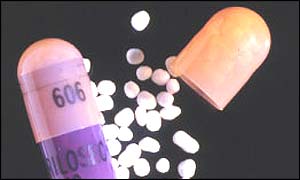 Prilosec is worth $6bn a year to AstraZeneca Indian drug firm Dr Reddy has pledged to fight a US court ruling which may prevent it from making cheap generic copies of a popular remedy. A New York judge ruled on Friday that Dr Reddy, along with German-owned Genpharm and US-based Andrx, was threatening to violate a patent on heartburn drug Prilosec, owned by UK-Swedish AstraZeneca. The three firms had hoped for permission to market their own versions of Prilosec in the US, but AstraZeneca moved to block the copies. Prilosec generates annual sales of some $6bn (�3.84bn), and although its patent expired a year ago, AstraZeneca was able to prove that other subsidiary patents would be violated by generic copies. The judgement caused Dr Reddy's shares to drop by almost 9% on Monday, as investors had anticipated significant earnings from the US generic market. Mixed signals The Prilosec ruling does not close the door completely to generic copies.
AstraZeneca said it was reviewing the ruling and considering an appeal, although the judgement was overall far more favourable to it than many observers had expected. The decision does, however, represent a partial victory for US campaigners, who have long argued that cheap generic drugs should be more widely available. The Stop Patient Abuse Now (SPAN) Coalition, a group of 125 consumer organisations, has staged protests against AstraZeneca and called on New York authorities to investigate possible the company. Another failure For Dr Reddy, the Prilosec case is the latest in a string of disappointments. The firm has repeatedly tried to enter the US generic drug market, but has been rebuffed in a series of court battles, most recently with Germany's Bayer over the antibiotic Cipro. Indian drug firms, which have few powerful pharmaceutical brands of their own, aim to compete internationally by partially copying the technology of drugs whose patents have expired. Their lower research and manufacturing costs enable them to produce large quantities of popular drugs far more cheaply than US or European firms. But big international companies have proved highly resourceful in retaining control of their intellectual property, in some cases even after patents have elapsed. | |
See also:  14 Aug 02 | Business 13 Mar 02 | Business 21 Jun 02 | Business 06 Feb 02 | Business Internet links: The BBC is not responsible for the content of external internet sites Top Business stories now: Links to more Business stories are at the foot of the page. | |||||||||||||||||||||||||||||||||||||||||||||||||||||||||||||||||||||||||||||||||||||||||||||||||||||||||||||||||||||||||||||||||||||||||||||||||||||||||||||||||||||||||||
| |
|  E-mail this story to a friend E-mail this story to a friend |
| |
| Links to more Business stories |
| | | ||
 | ||||
 | | Back to top
| ||
| ---------------------------------------------------------------------------------- To BBC Sport>> | To BBC Weather>> | To BBC World Service>> ---------------------------------------------------------------------------------- © MMIII | News Sources | Privacy |