|
 |
 | | | | | | ||||||||||||||||||||||||||||||||||||||||||||||||||||||||||||||||||||||||||||||||||||||||||||||||||||||||||||||||||||||||||||||||||||||||||||||||||||||||||||||
| | | You are in: Business | ||||||||||||||||||||||||||||||||||||||||||||||||||||||||||||||||||||||||||||||||||||||||||||||||||||||||||||||||||||||||||||||||||||||||||||||||||||||||||||||||
|
| | Wednesday, 2 October, 2002, 04:24 GMT 05:24 UK Four-wheel-drive bandwagon stalls 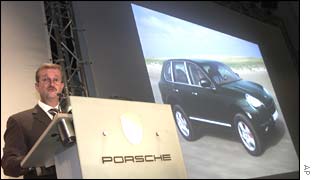 Porsche's Wiedeking is sure the Cayenne will be popular
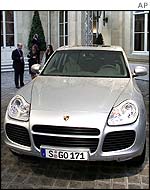
It was all smiles, glitz and cheer when Porsche launched its first sports utility vehicle, the Cayenne, at a Paris Motor Show press party.
Similar exuberance was expressed by Volkswagen which entered the sports utility vehicle (SUV) market with the Touareg, a four-wheel-drive model jointly developed with the Cayenne. Elsewhere at the show, four-wheel-drive offerings from the likes of BMW, Land Rover and Toyota were vying for attention. "People buy cars for the performance they can deliver, but they also buy them for image," Toyota Europe's James Rosenstein said. "The off-road image has gradually transformed itself into on-road chic. "I definitely believe that this is a growth market." Backlash But despite the positive spin from the car makers, it seems the market for SUVs, also known as 4x4s or light trucks, is looking decidedly shaky.
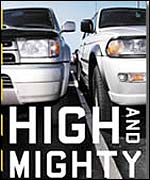
In the US, where light trucks outsell cars, the American people have been taken by storm by accusations that SUVs are anti-social. SUVs are the most dangerous cars on the road for all drivers, according to recent findings by the University of Michigan and the Lawrence Berkeley National Laboratory. And in a book titled "High and Mighty - SUVs: The world's most dangerous vehicles and how they got that way", the Detroit bureau chief of The New York Times, Keith Bradsher, argues that trucks pose threats both to the environment and road safety. Death and pollution SUVs, with their raised bumpers, endanger both pedestrians and motorists in smaller, standard cars. Yet SUV drivers are at least as likely as car occupants to die in a crash and much more likely to be paralysed, Mr Bradsher says.
In fact, more than one in four traffic deaths in the US take place when an SUV rolls over, Mr Bradsher says. Moreover, because SUVs are classified as trucks, not cars, they are subject to less stringent environmental regulations and are allowed to emit up to five times as much air pollution as cars, he says. The anti-SUV sentiment has spread fast to New York where environmentalists have been plastering trucks with "propaganda designed to look like parking tickets", according to the car industry website, just-auto.com. Even the image of those who drive SUVs is at risk, with Mr Bradsher describing them as "insecure and vain" people who are "nervous about their marriages and uncomfortable about parenthood". Tough to defend For car makers, the anti-SUV sentiment has come as a shock.
And they are clearly finding it hard to hit back. Take the Porsche Cayenne. Its 4.5 litre V8 engine can hardly be described as green. And accusations that it poses a threat to road safety are hard to counter, given that the motor press is describing it as the world's fastest SUV. Market forces The car makers have consistently insisted that they have developed SUVs in response to customers' demands. That defence may appear plausible when voiced by, say, Porsche or Volkswagen, which are among the last entrants into the SUV market. But when Detroit's big three car makers - Ford, General Motors and Chrysler - claim the same, it sounds much less convincing. Mr Brasher believes the car industry developed SUVs to exploit more lenient safety, fuel economy and pollution standards for trucks which, as working vehicles, are allowed to have large engines. By making trucks more luxurious and driver friendly, and marketing them as powerful lifestyle vehicles, the US car makers have turned car buyers into SUV customers, he argues. Vital market For the car industry, it is vital to maintain the momentum and keep the SUV market growing. Not only are these vehicles hugely profitable. Virtually all car makers have spent a fortune to develop them, and need sales to remain strong to achieve decent investment returns. So it should come as no surprise that Mr Bradsher is an unpopular man in Motown. "It can get depressing and difficult at times to be living in a company town where the companies hate you," he told Columbia Journalism Review. | |
Internet links:  The BBC is not responsible for the content of external internet sites Top Business stories now: Links to more Business stories are at the foot of the page. | ||||||||||||||||||||||||||||||||||||||||||||||||||||||||||||||||||||||||||||||||||||||||||||||||||||||||||||||||||||||||||||||||||||||||||||||||||||||||||||||
| |
|  E-mail this story to a friend E-mail this story to a friend |
| |
| Links to more Business stories |
| | | ||
 | ||||
 | | Back to top
| ||
| ---------------------------------------------------------------------------------- To BBC Sport>> | To BBC Weather>> | To BBC World Service>> ---------------------------------------------------------------------------------- © MMIII | News Sources | Privacy |