|
 |
 | | | | | | |||||||||||||||||||||||||||||||||||||||||||||||||||||||||||||||||||||||||||||||||||||||||||||||||||||||||||||||||||||||||||||||||||||||||||||||||||||||||||||
| | | You are in: Business | |||||||||||||||||||||||||||||||||||||||||||||||||||||||||||||||||||||||||||||||||||||||||||||||||||||||||||||||||||||||||||||||||||||||||||||||||||||||||||||||
|
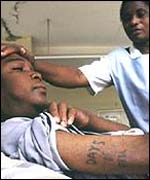
| | Thursday, 5 September, 2002, 17:10 GMT 18:10 UK Glaxo slashes Aids drugs prices 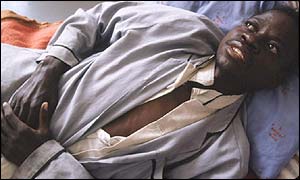 Cheaper treatment is on the way for public sector staff UK drugs giant GlaxoSmithKline has said it is cutting the price of medicines used to treat HIV/AIDS and to ward off malaria for 63 of the poorest countries in the world. The cost cuts will apply to 'not-for-profit prices' - a scheme under which Glaxo and other drug companies provide some cheaper drugs to developing countries. Thursday's initiative will see a further reduction in some of these prices. Developing countries have campaigned hard for better access to the latest drugs in the last couple of years. Glaxo said it was cutting the price of five HIV/Aids drugs by up to 33%, and of two anti-malarial medicines by up to 38%. Teachers and nurses Glaxo said it was also expanding its initiatives in sub-Saharan Africa to find ways to offer not-for-profit prices to public sector workers without health insurance.
Aid agencies have warned that the economic destruction caused by the Aids epidemic is being worsened by their inability to prevent teachers, nurses, police and fire-fighters becoming sick. In addition, Glaxo said, it was exploring ways to provide the cut-price medicines to private employers who do not have their own workplace clinics. "We are today delivering on our commitment to review prices for patients in 63 of the world's poorest countries," said Glaxo's chief executive Jean-Pierre Garnier. 'Not enough' Development agencies have welcomed the price cuts but say they do not go far enough. For example, one key anti-retroviral drug, Combivir will remain "22% more expensive than the cheapest generic offer", said Voluntary Service Overseas, a UK-based aid agency. Drug firms have fought to defend their patent rights against generics, cheaper copycat medicines, arguing that the monopoly and pricing power they confer is necessary to cover the cost of research. After the price cuts, a typical dose of Combivir - two tablets a day - will cost $1.70 (�1.09), Glaxo said - a price which remains beyond the reach of most workers in sub-Saharan Africa. Separate packaging Eighty percent of people in the world's least developed countries get their medication through the private sector, making Glaxo's offer of not-for-profit prices to public sector workers "important" but limited, according to VSO. It called for price cuts to be extended to the private sector and for "unpredictable announcements" by drug firms" to be replaced with an industry-wide framework to allow poor countries to plan their health budgets. Glaxo said the move is part of a programme of healthcare initiatives in poor countries which it drew up in July 2001 and has reviewed after its first year. Glaxo, which makes some of the major anti-retroviral HIV drugs used in combination drug therapies, said it is seeking regulatory approval for different packaging of not-for profit drugs to prevent profiteering. It is cutting the not-for-profit prices of HIV drugs Epivir, Retrovir, Combivir, Ziagen, Trizvir, Agenerase and anti-malarial drugs Malarone and Halfan. Malaria is also a major killer in developing countries, particularly of children. | |
See also:  29 Aug 02 | Africa 01 Jul 02 | Business 28 Jun 02 | Business 27 Jun 02 | Asia-Pacific 25 Jun 02 | Business 12 Jun 02 | Business 24 Apr 02 | Business 12 Mar 02 | Business 08 May 01 | Business 25 May 01 | Africa 23 Mar 01 | Business Internet links: The BBC is not responsible for the content of external internet sites Top Business stories now: Links to more Business stories are at the foot of the page. | |||||||||||||||||||||||||||||||||||||||||||||||||||||||||||||||||||||||||||||||||||||||||||||||||||||||||||||||||||||||||||||||||||||||||||||||||||||||||||||
| |
|  E-mail this story to a friend E-mail this story to a friend |
| |
| Links to more Business stories |
| | | ||
 | ||||
 | | Back to top
| ||
| ---------------------------------------------------------------------------------- To BBC Sport>> | To BBC Weather>> | To BBC World Service>> ---------------------------------------------------------------------------------- © MMIII | News Sources | Privacy |