|
 |
 | | | | | | ||||||||||||||||||||||||||||||||||||||||||||||||||||||||||||||||||||||||||||||||||||||||||||||||||||||||||||||||||||||||||||||||||||||||||||||||||||||||||||||||||||||
| | | You are in: Business | ||||||||||||||||||||||||||||||||||||||||||||||||||||||||||||||||||||||||||||||||||||||||||||||||||||||||||||||||||||||||||||||||||||||||||||||||||||||||||||||||||||||||
|
| | Friday, 6 September, 2002, 07:02 GMT 08:02 UK TUC: a proud movement's past 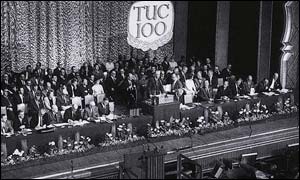
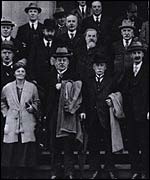
As the TUC conference begins in Blackpool, BBC News Online looks at the history of the trades unions and their political influence. The Trades Union Congress is the oldest, and at one time the most powerful representative body of working people in the world. Founded in 1868, it co-ordinated the efforts of skilled workers to gain recognition from employers and lobbied the government to give more rights to workers.
From the early days of the Labour Party, most MPs were trades unionists, and the unions provided the funds and the local organisation for the party. From skilled to unskilled The importance of the unions in the political process was paralleled by the extension of their own membership to the mass of unskilled workers from their original base in skilled workers. 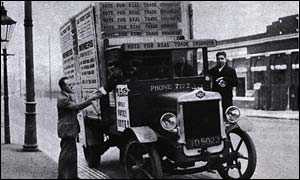 The 1926 General Strike was the peak of union power They led a general strike in 1926 to support the unsuccessful attempt of the coal miners to maintain their wage rates in the face of the slump. In an uncanny parallel to the present, the Turner-Mond talks of the late l920s - an early attempt to build industrial partnership - were the result of the failure of the industrial militancy of the first quarter of the century. In another parallel to today, the Labour Party - which formed its first two governments in the 1920s - also sought to distance itself from the unions. 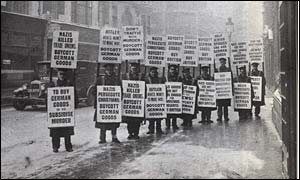 International issues have always concerned the TUC The pinnacle of power The Second World War boosted union membership to unprecedented heights - and the co-ordination of industrial production brought the unions to the heart of government - with Transport and General Workers Union leader Ernest Bevin becoming Minister of Labour.
These reforms culminated in a "tripartite" system of consultation between unions, business and government. By the l960s it sometimes seemed that the unions were more powerful than the government in setting economic policy. Mrs Thatcher and the unions But by the 1970s the unions were held responsible for some of the industrial decline of the UK economy, and pay policy became untenable in the face of worldwide inflation.  Militancy and strikes have declined since the l970s Her defeat of the miners in strike in l984, as much as the development of legislation to make strike more difficult, changed the climate of industrial relations permanently. The number of strikes declined to record lows, as unions sought partnership rather than confrontation in a climate of high unemployment. "Fairness, not favours" After the electoral defeats of the l980s, the Labour Party sought to distance itself from the trade union movement.
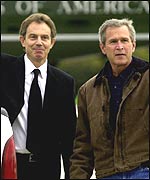
Under Tony Blair, the process went further. He pushed through the reform of Clause Four, the Labour Party's commitment to socialism, against union opposition. And he made it clear that he would not repeal the bulk of Conservative trade union legislation. "Fairness, not favours," would be Labour's policy towards the unions, Mr Blair proclaimed. Although Labour in power has implemented its electoral commitments to the minimum wage and union rights to recognition in the workplace, the government - in union eyes - has often seemed more interested in wooing business interests.
In its second term, Tony Blair has committed his government to reforming the public sector with higher taxes to pay for better services. But unions fear that reform will mean lower wages and worse conditions for workers in the public sector - who now make up a majority of union members. And they now fear that the government is rushing into a war against Iraq. With the strong economy boosting union power, the stage may be set for an historic confrontation. | |
Internet links:  The BBC is not responsible for the content of external internet sites Top Business stories now: Links to more Business stories are at the foot of the page. | ||||||||||||||||||||||||||||||||||||||||||||||||||||||||||||||||||||||||||||||||||||||||||||||||||||||||||||||||||||||||||||||||||||||||||||||||||||||||||||||||||||||
| |
|  E-mail this story to a friend E-mail this story to a friend |
| |
| Links to more Business stories |
| | | ||
 | ||||
 | | Back to top
| ||
| ---------------------------------------------------------------------------------- To BBC Sport>> | To BBC Weather>> | To BBC World Service>> ---------------------------------------------------------------------------------- © MMIII | News Sources | Privacy |