
|
 |
 | | | | | | ||||||||||||||||||||||||||||||||||||||||||||||||||||||||||||||||||||||||||||||||||||||||||||||||||||||||||||||||||||||||||||||||||||||||||
| | | You are in: Business | ||||||||||||||||||||||||||||||||||||||||||||||||||||||||||||||||||||||||||||||||||||||||||||||||||||||||||||||||||||||||||||||||||||||||||||
|
| | Thursday, 29 August, 2002, 12:29 GMT 13:29 UK Zambia reins in spending 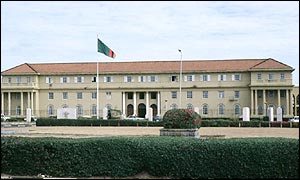 Zambia's president is halting "lavish spending" Zambia has angered unions by suspending food and travel expenses paid to some government staff. The spending cuts are in response to criticism from the International Monetary Fund (IMF). IMF officials raised concerns about a gap in the country's budget during a recent visit to the country. The payments to low and middle-ranking civil servants will stop for a period of three months from the beginning of September. But unions have voiced their strong opposition to the move. 'Lavish spending' Last month Zambian President Levy Mwanawasa expressed concern over "lavish spending". He said the governments unspecified travel budget has been overspent by 200 million kwacha ($44,450) in February 2002 to July 2002. But the Primary School Teachers Association of Zambia suggested cuts should be made to benefits paid to senior civil servants and politicians instead, some of whom receive $240 a day whilst travelling abroad. The union said it will call on its 38,000 members to strike if the payment suspension goes ahead. The Civil Servants Union of Zambia has also protested against the decision. Economic problems President Levy Mwanawasa launched a clampdown on corruption and pledged to push ahead with plans to liberalise the country's economy when he came to power in December. Inflation was running at 18.6% in 2001. The government has set inflation targets of 13% in 2002, falling to 8% in 2003, and then 5% in 2004. The IMF approved $317m (�216.4m) financing for Zambia's 2002 economic plan to target poverty reduction in May 2002. But the country is facing a serious food shortage and its economic prospects were dealt a blow when Anglo American pulled out of mining operations in the country in August. | | See also:  20 Aug 02 | Business 03 Jun 02 | Business 31 May 02 | Business 23 May 02 | Business 06 May 02 | Business 16 Apr 02 | Business 12 Jul 02 | Country profiles Internet links: The BBC is not responsible for the content of external internet sites Top Business stories now: Links to more Business stories are at the foot of the page. | ||||||||||||||||||||||||||||||||||||||||||||||||||||||||||||||||||||||||||||||||||||||||||||||||||||||||||||||||||||||||||||||||||||||||||
| |
|  E-mail this story to a friend E-mail this story to a friend |
| |
| Links to more Business stories |
| | | ||
 | ||||
 | | Back to top
| ||
| ---------------------------------------------------------------------------------- To BBC Sport>> | To BBC Weather>> | To BBC World Service>> ---------------------------------------------------------------------------------- © MMIII | News Sources | Privacy |



