|
 |
 | | | | | | |||||||||||||||||||||||||||||||||||||||||||||||||||||||||||||||||||||||||||||||||||||||||||||||||||||||||||||||||||||||||||||||||||||||||||||||||||||||
| | | You are in: Business | |||||||||||||||||||||||||||||||||||||||||||||||||||||||||||||||||||||||||||||||||||||||||||||||||||||||||||||||||||||||||||||||||||||||||||||||||||||||||
|
| | Friday, 23 August, 2002, 10:07 GMT 11:07 UK What next for Nasdaq? 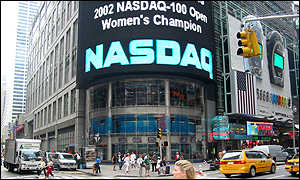 The Nasdaq index has fallen 31% since 1 January
The hi-tech US-based stock market has shelved its plans for a global stock exchange, but it could still offer British investors cheaper deals here - if it isn't too busy at home, that is.  When you push your trolley around your local supermarket, the world's finest and freshest food is on display, ready for you to buy with a minimum of fuss, and at a competitive price. When you're trying to fill your investment basket with the world's best shares, the process is not quite so easy.
Except when buying the very biggest stocks, you can't just pick them off the shelf as you can with UK shares. In many cases, you have to find a specialist broker who has a "scratch-my-back, scratch-your-back" arrangement with a broker in the other country, and you normally wind up paying massive fees both over there and over here. Even if you do what I once did, and contact an overseas broker directly, you still have to pay through the nose. Reversal of fortunes Nasdaq wanted to get rid of all that. America's stock market for high tech shares wanted to become the Wal-Mart of stocks. It planned a round-the-clock, round-the-world system of share dealing, and set up shop in Japan, London and on the continent of Europe.
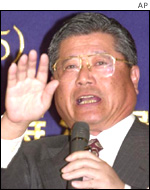
Its dream was to let small investors pick up shares in other countries as cheaply and as easily as the weekly groceries. But now a sign has gone up on that door - CLOSED. Last Friday, just hours after he told the BBC that the end was near, Nasdaq's chief executive, Wick Simmons, shut down his Japanese operation. After two years of trading - and losses of around �30m - Nasdaq bosses handed the exchange back to their Japanese partners. Coffee support The market was Nasdaq's big shot at building an international business. It was launched with a mighty fanfare, and became the home for the Japanese arm of that other US champion of global capitalism - Starbucks. But other big names failed to follow - especially as Japan slipped further into the economic mire, and its stock markets continued their slide. Epidemic Once the shutters came down on Nasdaq Japan last week, other lights started to go out this week. On Monday, Nasdaq bosses wiped Asia off their map entirely, saying they had no plans for further adventures in the region. And then a question mark appeared over Nasdaq's European operations. The exchange's legal director told a Belgian newspaper it had abandoned its plans for a single European stock market run from Brussels. Instead, he said, it would concentrate on building up separate stock markets in different European countries - just as it did in Germany a few months ago. There, it created Nasdaq Deutschland, after striking a deal with some big banks, and the minor stock exchanges in Bremen and Berlin. But the exchange is not due to open until next year, and pundits say it will look puny up against Frankfurt's mighty Deutsche Boerse, which claims more than 90% of all German share trading. Back to the future For small British shareholders with taste for the international, this is bad news. Taking a share in some of the world's fattest, juiciest companies will remain too expensive, too complicated, and too time consuming.
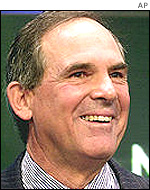
Instead of making their own choices, savers who want a slice of the world will have to hand over their money to the managers of international investment trusts, or take pot luck with the new exchange traded funds that spread your money across all shares - good and bad - on international stock market indices. But the Nasdaq is painting all this as a strategic retreat, not a rout. New timetable Speaking to me last week in New York, Mr Simmons said he still thought the Nasdaq could build a round-the-world market. All that had changed were the timing and the market conditions. "I share that ambition," Mr Simmons said. "I just have to look at it in the light of 2002 rather than 1999." And with Asia closed off, he's turning his attention back to Europe, hinting that more deals could follow the creation of Nasdaq Germany. . "We continue to talk to lots of exchanges," he said. "We'd like to put something together with the others, and reduce the number of [trading] platforms. "There are enormous savings there. Plus it makes investing easy, because you don't have to go with local rules." The London question So what about London? In the past, Nasdaq had gone as far as sending documents to London stockbrokers, setting out how a merger or takeover of the London Stock Exchange might work. (Mr Simmons denied there had ever been a deal on the table, but City brokers say it came pretty close.) This time around, he contented himself with a little light fencing. "Would he like a deal with London?" I asked him. He dodged that question with all that stuff about talks with other exchanges. But the reply sounded like a "well, maybe". So - what if London doesn't play along with him? "There are other options," Mr Simmons said. What that a threat? Was he saying to the London Stock Exchange - we might take you on? "We might," he said. Over the hill? So it is still possible the Nasdaq could attempt another deal with the London Stock Exchange. But Nasdaq is not as strong - or as attractive - a suitor as it used to be. It's been undermined by the sharp fall in tech share prices (which hurt its image), and the drop in share trading (which cut its income). London could easily spur a friendly approach, or even be wooed more successfully by the German stock exchange. And for all this talk about a new, more sensible, step-by-step expansion, there's one cold, clear fact: Nasdaq Japan closed because it was seen as a flop. And there's no guarantee that Nasdaq will be any more successful in Europe. Nasdaq Europe has been with us for years, but ask anyone in the City, and they'll say it has failed to leave a mark. Home front Instead of being the Wal-Mart of shares, Nasdaq is looking more like Marks and Spencer did before its recovery - when big problems at home forced it to shut down its foreign stores. In the US, Nasdaq has to re-invent itself, ditch the "tech stock" tag and the stigma of collapsing share prices, and persuade the investors who got burnt by tech to trust the markets again. That will not be easy. Wick Simmons says he'll make Nasdaq the home for all the companies building America's future. He also says investors will come back eventually. But while he's re-building Rome, will he really have the time or energy to re-create the global empire too? | | See also:  16 Aug 02 | Business 01 Jul 02 | Business 03 Jun 02 | Business Top Business stories now: Links to more Business stories are at the foot of the page. | |||||||||||||||||||||||||||||||||||||||||||||||||||||||||||||||||||||||||||||||||||||||||||||||||||||||||||||||||||||||||||||||||||||||||||||||||||||||
| |
|  E-mail this story to a friend E-mail this story to a friend |
| |
| Links to more Business stories |
| | | ||
 | ||||
 | | Back to top
| ||
| ---------------------------------------------------------------------------------- To BBC Sport>> | To BBC Weather>> | To BBC World Service>> ---------------------------------------------------------------------------------- © MMIII | News Sources | Privacy |