
|
 |
 | | | | | | ||||||||||||||||||||||||||||||||||||||||||||||||||||||||||||||||||||||||||||||||||||||||||||||||||||||||||||||||||||||||||||||||||||||||||||||||||||
| | | You are in: Business | ||||||||||||||||||||||||||||||||||||||||||||||||||||||||||||||||||||||||||||||||||||||||||||||||||||||||||||||||||||||||||||||||||||||||||||||||||||||
|
| | Wednesday, 14 August, 2002, 09:04 GMT 10:04 UK Surprise fall in UK unemployment 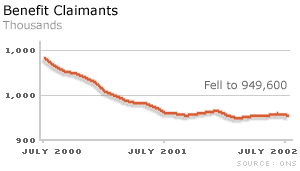 Unemployment in the UK fell in July and stands at 3.1% - the lowest rate since 1975. The number of people out of work and claiming unemployment benefit fell 3,100 in July to 949,600, according to the Office for National Statistics (ONS).
The ONS said the government's preferred measure of unemployment - the number of people looking for work - increased to 1.54 million in the three months to June, 44,000 higher than a year ago. It now stands at 5.1%. The government's preferred figure is different because it measures data using an alternative method and over a timescale of three months. And it is not uncommon for the two measures to go in opposite directions when the trend is about to change. Manufacturing suffers However, the ONS said employment had continued to rise with the number of people in work rising to 28.5 million in the three months to June.
That is the highest level since records began in 1979. Employment has been boosted by an expanding workforce, partly because of higher immigration. But in the struggling manufacturing sector, employment fell by 4.5% or 174,000 jobs in the three months to June, compared with a year earlier. Last month the manufacturing sector suffered its biggest fall in output for 20 years. George Buckley, UK economist at Deutsche Bank, said: "The unemployment fall is a surprise. "The strange thing is that unemployment has remained broadly flat for the last year even though economic growth has been sub-trend." Flexible working The ONS said earnings - which include wages as well as bonuses and overtime payments - rose 3.9 % in the three months to June, compared with a year earlier. Tuesday's figures also showed a fall in the total number of hours worked in the second three months of the year, prompting suggestions that the labour market was becoming more flexible. David Page, economist at City stockbroker Investec, said it was likely that companies were reducing the workload rather than laying-off workers. "It seems firms are keen to hold on to staff they have recruited and trained, they are responding in a more flexible manner and aren't shedding staff in the way they have in previous downturns," he said. | |
See also:  17 Jul 02 | Business 16 Jul 02 | Business 13 Aug 02 | Business 12 Aug 02 | Business Internet links: The BBC is not responsible for the content of external internet sites Top Business stories now: Links to more Business stories are at the foot of the page. | ||||||||||||||||||||||||||||||||||||||||||||||||||||||||||||||||||||||||||||||||||||||||||||||||||||||||||||||||||||||||||||||||||||||||||||||||||||
| |
|  E-mail this story to a friend E-mail this story to a friend |
| |
| Links to more Business stories |
| | | ||
 | ||||
 | | Back to top
| ||
| ---------------------------------------------------------------------------------- To BBC Sport>> | To BBC Weather>> | To BBC World Service>> ---------------------------------------------------------------------------------- © MMIII | News Sources | Privacy |






