
|
 |
 | | | | | | ||||||||||||||||||||||||||||||||||||||||||||||||||||||||||||||||||||||||||||||||||||||||||||||||||||||||||||||||||||||||||||||||||||||||||||||||||||||||||||||||||||||||||||||||||
| | | You are in: Business | ||||||||||||||||||||||||||||||||||||||||||||||||||||||||||||||||||||||||||||||||||||||||||||||||||||||||||||||||||||||||||||||||||||||||||||||||||||||||||||||||||||||||||||||||||||
|
| | Monday, 5 August, 2002, 17:15 GMT 18:15 UK Jubilee holiday hits UK factory output 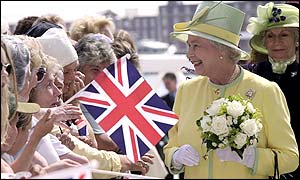 The Jubilee meant extra holiday for manufacturers The UK Jubilee holiday and the World Cup could have cost the country's manufacturing sector a sharp drop in production. UK factory output posted its biggest monthly fall in 23 years on Monday, casting doubt over the manufacturing sector's recovery prospects.
The decline compared with the same period one year earlier, at 8.3%, was even steeper. The extra bank holiday to mark the fiftieth anniversary of the Queen's accession and time-off to watch the World Cup matches could have been one reason for the decline. "The drop in manufacturing exceeds expectations by a long, long way," said Philip Shaw, chief economist at Investec Bank. "The figures are probably influenced by the Jubilee bank holiday, but the picture for the second quarter is of the manufacturing sector still in recession," he added. The dip in factory output is sure to raise doubts over the strength of the manufacturing sector recovery after a prolonged recession last year. Jubilee effect The ONS acknowledged that the figures for June may have been distorted by the extra Jubilee bank holiday. "There is evidence that factories were shut down for longer periods than expected - in some cases the whole of the Jubilee week," ONS said. The statistics agency said slowing industrial production could trim overall economic growth for the April to June period by about 0.3%. The first estimates of second quarter economic growth are due out later this month. Service growth falters A separate survey out on Monday showed that the UK's economically dominant services sector continued to grow last month, but at a slower pace than in June. The Chartered Institute of Purchasing and Supply's closely-watched business activity index, which measures the overall health of the services sector, fell for the third month running in July to 54.7, down from 54.9 in June. A reading above 50 on the CIPS index denotes expansion, while a score below 50 denotes contraction. Slowing growth in the services sector, which accounts for two thirds of the UK's economic growth and four fifths of its jobs, makes an imminent increase in interest rates less likely. Rate cut prospects The Bank of England had been widely expected to raise interest rates in the second half of this year in order to curb galloping house prices. But expectations of a rate increase have receded in the last few weeks because of tumbling share prices and signs that the UK's long-running retail boom is coming to an end. Last week, the Bank left rates on hold at their current 40-year low of 4% for the ninth month running. | |
See also:  18 Jul 02 | Business 10 Jul 02 | Business 01 Jul 02 | Business 28 Jun 02 | Business 10 Jun 02 | Business 22 May 02 | Business Internet links: The BBC is not responsible for the content of external internet sites Top Business stories now: Links to more Business stories are at the foot of the page. | ||||||||||||||||||||||||||||||||||||||||||||||||||||||||||||||||||||||||||||||||||||||||||||||||||||||||||||||||||||||||||||||||||||||||||||||||||||||||||||||||||||||||||||||||||
| |
|  E-mail this story to a friend E-mail this story to a friend |
| |
| Links to more Business stories |
| | | ||
 | ||||
 | | Back to top
| ||
| ---------------------------------------------------------------------------------- To BBC Sport>> | To BBC Weather>> | To BBC World Service>> ---------------------------------------------------------------------------------- © MMIII | News Sources | Privacy |






