
|
 |
 | | | | | | ||||||||||||||||||||||||||||||||||||||||||||||||||||||||||||||||||||||||||||||||||||||||||||||||||||||||||||||||||||||||||||||||||||||||||||||||||||||||||||||||||||||||||||||
| | | You are in: Business | ||||||||||||||||||||||||||||||||||||||||||||||||||||||||||||||||||||||||||||||||||||||||||||||||||||||||||||||||||||||||||||||||||||||||||||||||||||||||||||||||||||||||||||||||
|
| | Thursday, 1 August, 2002, 15:18 GMT 16:18 UK Child labour rife in cocoa sector 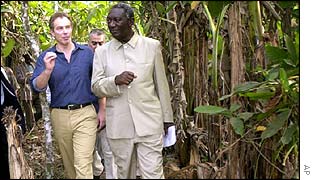 Foreign leaders are expressing an interest in cocoa A survey released on Thursday details the true extent of child labour in the cocoa sector of West Africa. Dr Rodomiro Ortiz at the International Institute of Tropical Agriculture (IITA) in Nigeria, told the BBC's World Business Report that 254,000 children had been identified as working in hazardous conditions. He said, however, that the number was not as high as previously assumed and that child labour in that sector was not an exception. "When you go through different cities, not only here in Africa but throughout the developing world, you'll find that child labour is not an exception," he said. Tradition or slavery? The IITA, which conducted the survey in association with other agencies such as the International Labor Organisation (ILO) and the US Agency for International Development, had to decide what constituted family tradition and what could be labelled child labour.
"We used the international definition derived from ILO convention 138, which states that child labour is any economic activity performed by a person under 15." The greatest hazards facing children are using pesticides without protective clothing and the use of machetes to clear land. Human traffic The survey gives a better insight into the exact numbers of children involved, and the nature of their dangerous working conditions.
The organisations behind the survey want a co-ordinated approach to governments to address the issue. 'Socialising activity' But Ben Foot at Save The Children Fund in Nigeria told BBC News Online that the main thing which had to be addressed by governments was the trafficking of children. "Children working with their family can be an acceptable socialising activity." "But problems arise when they are brought from very poor families and paid a pittance on the plantations," he said. He added that those children receive no education and rarely return home. "Once plantations have no further use of a child, who by then had lost all contact with their families, they tend to hit the streets as delinquents." | |
See also:  13 Jun 02 | Africa 02 May 02 | Africa 02 Oct 01 | Business 24 Sep 01 | Business 28 Aug 01 | Business 27 Jul 01 | Africa 14 Jun 01 | Africa 04 May 01 | UK 04 May 01 | Africa 26 Oct 00 | Business Internet links: The BBC is not responsible for the content of external internet sites Top Business stories now: Links to more Business stories are at the foot of the page. | ||||||||||||||||||||||||||||||||||||||||||||||||||||||||||||||||||||||||||||||||||||||||||||||||||||||||||||||||||||||||||||||||||||||||||||||||||||||||||||||||||||||||||||||
| |
|  E-mail this story to a friend E-mail this story to a friend |
| |
| Links to more Business stories |
| | | ||
 | ||||
 | | Back to top
| ||
| ---------------------------------------------------------------------------------- To BBC Sport>> | To BBC Weather>> | To BBC World Service>> ---------------------------------------------------------------------------------- © MMIII | News Sources | Privacy |






