|
 |
 | | | | | | ||||||||||||||||||||||||||||||||||||||||||||||||||||||||||||||||||||||||||||||||||||||||||||||||||||||||||||||||||||||||||||||||||||||||||||||||||||||
| | | You are in: Business | ||||||||||||||||||||||||||||||||||||||||||||||||||||||||||||||||||||||||||||||||||||||||||||||||||||||||||||||||||||||||||||||||||||||||||||||||||||||||
|
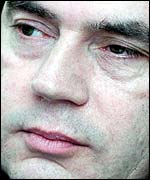
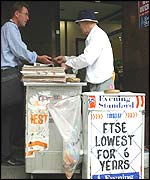
| | Monday, 22 July, 2002, 05:15 GMT 06:15 UK Brown urged to sort out pensions 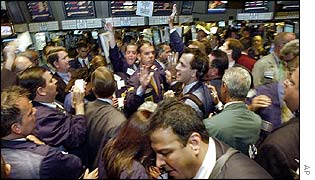 Market turmoil has turned many off saving Chancellor Gordon Brown should reinstate tax breaks for pension funds and make private pensions mandatory, a leading think-tank has warned. In its latest report on the British economy, the Ernst & Young Item Club blamed sliding stock markets and the government's tax policies for the country's pension crisis. Chancellor Gordon Brown's 1997 decision to scrap a tax credit on share dividends boosted the tax take, and was justified at the time by the booming economy. But today's slowing economic growth and six-year stock-market lows have made Mr Brown's action seem injudicious, the Ernst & Young Item Club said. "His error of judgement has been ruthlessly exposed," said Professor Peter Spencer, the Item Club's economic adviser. "The Chancellor must unpick the damage that he has done before it becomes irreversible." Mind the gap Making pensions obligatory is a perennial theme of pundits, who worry that existing company arrangements will not provide a sufficient safety net for today's workers.
Mr Spencer pointed out that Britain's pension gap - the difference between what is being put in and what will eventually be needed - is �27bn and growing. In order to help counteract this, the government should bring in incentives for savers, Mr Spencer argued - especially because returns from most forms of investment are not currently attractive. Of these incentives, reinstating the tax credit on share dividends is seen by the Item Club as the best way forward. Two speeds merge The Item Club, meanwhile, is becoming more sanguine about the wider British economy. Describing the country's economic prospects as "dull and overcast, becoming sunnier", the Club forecasts economic output growth to accelerate from 1.7% this year to 2.6% in 2003.
The Club forecasts that the current lively state of the housing market will become subdued, but that there should be no "burst bubble" effect. And as the pound falls against the euro, British industry is set to benefit in terms of international competitiveness. "Providing this fall continues the UK economy will get through the financial market turbulence quite well, with the consequent impact on output and inflation being neutral," the Item Club said. | |
See also:  15 Jul 02 | Politics 11 Jul 02 | Business 11 Jul 02 | Business 11 Jul 02 | Business 21 Jan 02 | Business Internet links: The BBC is not responsible for the content of external internet sites Top Business stories now: Links to more Business stories are at the foot of the page. | ||||||||||||||||||||||||||||||||||||||||||||||||||||||||||||||||||||||||||||||||||||||||||||||||||||||||||||||||||||||||||||||||||||||||||||||||||||||
| |
|  E-mail this story to a friend E-mail this story to a friend |
| |
| Links to more Business stories |
| | | ||
 | ||||
 | | Back to top
| ||
| ---------------------------------------------------------------------------------- To BBC Sport>> | To BBC Weather>> | To BBC World Service>> ---------------------------------------------------------------------------------- © MMIII | News Sources | Privacy |