|
 |
 | | | | | | ||||||||||||||||||||||||||||||||||||||||||||||||||||||||||||||||||||||||||||||||||||||||||||||||||||||||||||||||||||||||||||||||||||||||||||||||||||||||||||||||||||||||||||
| | | You are in: Business | ||||||||||||||||||||||||||||||||||||||||||||||||||||||||||||||||||||||||||||||||||||||||||||||||||||||||||||||||||||||||||||||||||||||||||||||||||||||||||||||||||||||||||||||
|
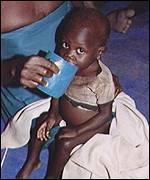
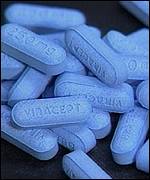
| | Thursday, 11 July, 2002, 17:08 GMT 18:08 UK Boost for Indian anti-Aids drug India's Cipla offered cut price anti-Aids drugs to an aid agency Ranbaxy has become the second Indian pharmaceuticals manufacturer to gain World Health Organisation [WHO] approval for its generic Aids drugs. India's Cipla is already included in the WHO's list of preferred suppliers of anti-Aids drugs, a list compiled to guide UN agencies. The inclusion of Ranbaxy's cheaper treatments comes as the WHO pushes for more cost -effective treatments to help poorer countries in the fight against Aids. Generic versions of drugs, produced by Cipla and Ranbaxy, are much cheaper than brand name versions patented by Western companies. But some manufacturers have criticised the move, claiming that cheaper versions may reduce treatment standards and increase drug resistance in poorer countries. Policy vs. public health In contrast to the practice of patenting specific drugs - common practice in the West - in India, the production techniques are patented.
Indian pharmaceutical companies are therefore able to produce generic Aids drugs to compete with patented drugs produced by Western companies. The generic versions are cheaper to produce because they don't have the huge initial research and development costs. "What they do often, is they get to the same product by reverse engineering," Daniella Bagozzi of the WHO told the BBC's World Business Report. "It's a competitive market - if there are companies that can produce the same products for less then that's just a reality of the market," she added. Facing the crisis Many developing countries are prevented from purchasing generic drugs by their patent laws - but in the light of the Aids crisis some countries are rethinking this policy. At last year's WTO meeting, Brazil and India pushed through a deal which allowed countries to override such laws when they facied a public health crisis. Kenya - with its two million HIV-positive residents - introduced a new law in May of this year, designed to remove barriers to the cheaper anti-retrovirals.
Generic anti-aids drugs can now be imported or manufactured in Kenya and cheaper branded medicines can also be imported from abroad in the hope that greater competition will lead to a price drop. Ranbaxy's website claims that African governments have shown interest in its Anti Retroviral drugs. Nearly three quarter of the worlds 40 million HIV-positive live in Africa. Last year Cipla said it would sell its triple combination therapy drugs to aid agency Doctors Without Borders, also known as Medecins Sans Frontieres, for $350 as long as they were distributed free. Similar drug therapies can cost between $10,000 and $15,000 per patient per year. | |
See also:  08 Jul 02 | Business 07 Jul 02 | Health 25 Jun 02 | Business 01 May 02 | Africa 01 Feb 02 | Asia-Pacific 30 Jan 02 | Business 10 Dec 01 | Africa 07 Feb 01 | Health Top Business stories now: Links to more Business stories are at the foot of the page. | ||||||||||||||||||||||||||||||||||||||||||||||||||||||||||||||||||||||||||||||||||||||||||||||||||||||||||||||||||||||||||||||||||||||||||||||||||||||||||||||||||||||||||||
| |
|  E-mail this story to a friend E-mail this story to a friend |
| |
| Links to more Business stories |
| | | ||
 | ||||
 | | Back to top
| ||
| ---------------------------------------------------------------------------------- To BBC Sport>> | To BBC Weather>> | To BBC World Service>> ---------------------------------------------------------------------------------- © MMIII | News Sources | Privacy |