|
 |
 | | | | | | |||||||||||||||||||||||||||||||||||||||||||||||||||||||||||||||||||||||||||||||||||||||||||||||||||||||||||||||||||||||||||||||||||||||||||||
| | | You are in: Business | |||||||||||||||||||||||||||||||||||||||||||||||||||||||||||||||||||||||||||||||||||||||||||||||||||||||||||||||||||||||||||||||||||||||||||||||
|
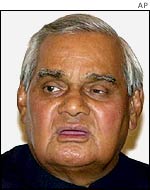
| | Wednesday, 10 July, 2002, 11:01 GMT 12:01 UK India pledges privatisation push India wants to boost outside investment India Prime Minister Atal Behari Vajpayee has vowed to push ahead with the country's privatisation programme, which outside investors have criticised for its slowness. Speaking to Indian business leaders in Delhi, Mr Vajpayee said the pace of reform would not be affected by the continuing stand-off with Pakistan.
He said the economy was expected to grow by six per cent this year - up from 5.4% growth in GDP last year . India deployed hundreds of thousands of troops on the border with Pakistan after an attack on the parliament last December. Tensions again rose sharply when militants attacked an army camp in Indian-controlled Kashmir in May, raising fears of war between the two nuclear-capable states. Foreign investment The prime minister said the government would work to increase the flow of outside investment. Last year, there was a record level of foreign investment in India amounting to $3.9bn, (�2.6bn).
However, there were fears that direct foreign investment would drop because of tensions with Pakistan over Kashmir. Mr Vajpayee also appealed for political consensus on controversial labour reforms, which he said the government would pursue vigorously. Mr Vajpayee insisted that the fundamentals of the Indian economy were strong. "There has been unprecedented price stability, inflation is around 2.0%, forex reserves have grown to $58bn which provides more than 13 months of import cover, the highest for any country excepting China," he said. Similar upbeat remarks were made last week by new Finance Minister Jaswant Singh, a day after he took office. Political problems The government's own annual economic survey, issued in February, warned that the country's budget commitments were stifling growth. It said further economic liberalisation was needed to boost growth and reduce poverty. Mr Vajpayee's Bharatiya Janata Party (BJP), which heads the coalition government in Delhi, has a difficult balancing act to perform. It is committed to further reform of state-run industries, but wants to avoid alienating some of its coalition partners and losing even more support among the voters by shedding jobs. | | See also:  04 Jul 02 | Business 21 Jun 02 | Business 10 Jul 02 | Business 17 May 02 | Business 09 Apr 02 | Business 27 Feb 02 | Business 25 Feb 02 | Business 05 Feb 02 | Business Internet links: The BBC is not responsible for the content of external internet sites Top Business stories now: Links to more Business stories are at the foot of the page. | |||||||||||||||||||||||||||||||||||||||||||||||||||||||||||||||||||||||||||||||||||||||||||||||||||||||||||||||||||||||||||||||||||||||||||||
| |
|  E-mail this story to a friend E-mail this story to a friend |
| |
| Links to more Business stories |
| | | ||
 | ||||
 | | Back to top
| ||
| ---------------------------------------------------------------------------------- To BBC Sport>> | To BBC Weather>> | To BBC World Service>> ---------------------------------------------------------------------------------- © MMIII | News Sources | Privacy |