|
 |
 | | | | | | ||||||||||||||||||||||||||||||||||||||||||||||||||||||||||||||||||||||||||||||||||||||||||||||||||||||||||||||||||||||||||||||||||||||||||||||||||||||||||||||||
| | | You are in: Asia-Pacific | ||||||||||||||||||||||||||||||||||||||||||||||||||||||||||||||||||||||||||||||||||||||||||||||||||||||||||||||||||||||||||||||||||||||||||||||||||||||||||||||||||
|
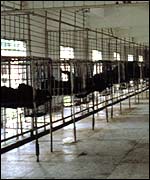
| | Monday, 16 December, 2002, 17:50 GMT China's black bears find sanctuary  The centre will initially house 84 black bears A conservation centre, seen as an important move in the campaign to stop bear-bile farming, has officially opened in China. It is the biggest sanctuary for Asiatic bears in the country where bile farming for medical purposes is a flourishing industry.
The lucrative but illegal export trade in bear products coming from farms in China is threatening the existence of some species of the animal. The $3m sanctuary has been built near the city of Chengdu, capital of the Sichuan province. It has a hospital for injured bears and an 11-hectare bamboo forest area for them to roam. Most of the animals have been outdoors for the first time in their lives. Lucrative trade The number of bears held for their bile in China has risen by 28% in the past three years, the London-based World Society for the Protection of Animals said. said.
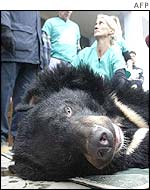
The number is denied by Chinese officials. Bear bile plays an important role in traditional Chinese medicine, used to treat diseases of the eye, liver and other organs. A kilogram of bear bile can fetch up to $1,000 in the Chinese medicine market. 'Inhumane practice' Three of the recently received batch of 17 bears had to be put down because of painful and untreatable injuries due to their treatment by bile farmers.
"It is our opinion that all bear-farming is an unnecessary and inhumane practice." Animal rights activists say bears are being kept by the bile-farmers in cages so small the animals cannot turn around. Chinese authorities say over the last three years the number of officially registered bear farms has fallen from 247 to 167. "We will achieve the final objective of terminating bear farming in China," Chen Rensheng, secretary general of the official China Wildlife Conservation Association said. However, Mr Chen admitted that "there are many imperfections". Breeding bears is still allowed and there are suggestions that farmers are supplying a thriving export trade. The Asiatic black bear is the number two priority on China's list of endangered animals, after the panda. | | See also:  28 Oct 02 | Asia-Pacific 05 Apr 00 | Asia-Pacific 29 Oct 99 | Asia-Pacific 28 Jul 99 | Health 27 Jul 99 | In Depth Internet links: The BBC is not responsible for the content of external internet sites Top Asia-Pacific stories now: Links to more Asia-Pacific stories are at the foot of the page. | ||||||||||||||||||||||||||||||||||||||||||||||||||||||||||||||||||||||||||||||||||||||||||||||||||||||||||||||||||||||||||||||||||||||||||||||||||||||||||||||||
 | |
|  E-mail this story to a friend E-mail this story to a friend |
| |
| Links to more Asia-Pacific stories |
| | | ||
 | ||||
 | | Back to top
| ||
| ---------------------------------------------------------------------------------- To BBC Sport>> | To BBC Weather>> | To BBC World Service>> ---------------------------------------------------------------------------------- © MMIII | News Sources | Privacy |





 It is our opinion that all bear-farming is an unnecessary and inhumane practice