
|
 |
 | | | | | | |||||||||||||||||||||||||||||||||||||||||||||||||||||||||||||||||||||||||||||||||||||||||||||||||||||||||||||||||||||||||||||||||||||||||||||||||||||||||||||||||||||||||
| | | You are in: Asia-Pacific | |||||||||||||||||||||||||||||||||||||||||||||||||||||||||||||||||||||||||||||||||||||||||||||||||||||||||||||||||||||||||||||||||||||||||||||||||||||||||||||||||||||||||||
|
| | Thursday, 14 November, 2002, 21:38 GMT Korea's pop diplomacy 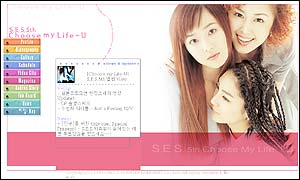 S.E.S. are one of South Korea's pop successes
Japanese and South Korean teenagers are building bridges between the two old adversaries - through a new generation of pop superstars. For decades, South Korea banned the import of Japanese pop culture, like music, films and TV programmes. There were bitter memories of Japanese rule of Korea from 1910 to 1945, and fears of a new wave of Japanese cultural imperialism.
In the 1990s, the ban was lifted. Instead of a wave of Japanese imports, the two nations have seen a two-way cultural exchange. It started on the soccer pitch. In 2002, the two nations overcame centuries of conflict to cohost the World Cup. "This is the first time in the 1,400-year history of relations between Korea and Japan that the two countries did something together," said Dong-Hoo Moon, general secretary of the Korean organising committee. "I think it will provide a momentum to bring us together as partners." Breakthrough
She had recorded the same song in both Korean-language and Japanese-language versions. "She was outselling Mariah Carey, she's outselling Celine Dion in Japan and we Koreans are thinking woh! We've really come a long way," said Bernie Cho, a music and video producer based in Seoul. It was a dramatic change for the Korean music scene which for a long time was seen as less sophisticated than its Japanese counterpart - not least because the Japanese music market is the second biggest in the world. Cho says the Korean industry's standards have improved rapidly in the last 10 years. Now Japanese bands are even choosing to employ Korean directors to make their videos. Pop product Marketing has improved too. For example, the three members of the Korean girl-band S.E.S. were deliberately chosen to appeal to markets across Asia. One speaks Japanese, one speaks English and they all, of course, speak Korean. Japanese artists are also selling well in Korea. One of the most popular is the DJ Towa Tei, who is a Japanese-Korean. His family, like hundreds of thousands of Koreans, came to Japan as forced labourers during the colonial period. For a new generation of South Koreans, for whom the Pacific War is a distant memory, there is an acceptance of Japan and a feeling of equality between the two nations. "I don't have any bad feelings towards the Japanese people," says Kim So-Yeon, a graduate student in Seoul. "But for parents' generation, I don't think they can forgive." | | See also:  30 May 02 | Asia-Pacific 22 Apr 02 | Asia-Pacific 15 Oct 01 | Asia-Pacific Internet links: The BBC is not responsible for the content of external internet sites Top Asia-Pacific stories now: Links to more Asia-Pacific stories are at the foot of the page. | |||||||||||||||||||||||||||||||||||||||||||||||||||||||||||||||||||||||||||||||||||||||||||||||||||||||||||||||||||||||||||||||||||||||||||||||||||||||||||||||||||||||||
| |
|  E-mail this story to a friend E-mail this story to a friend |
| |
| Links to more Asia-Pacific stories |
| | | ||
 | ||||
 | | Back to top
| ||
| ---------------------------------------------------------------------------------- To BBC Sport>> | To BBC Weather>> | To BBC World Service>> ---------------------------------------------------------------------------------- © MMIII | News Sources | Privacy |






