|
 |
 | | | | | | ||||||||||||||||||||||||||||||||||||||||||||||||||||||||||||||||||||||||||||||||||||||||||||||||||||||||||||||||||||||||||||||||||||||||||||||||||||||||||||||||||||||||||||||||||||||||||||||||||||
| | | You are in: Asia-Pacific | ||||||||||||||||||||||||||||||||||||||||||||||||||||||||||||||||||||||||||||||||||||||||||||||||||||||||||||||||||||||||||||||||||||||||||||||||||||||||||||||||||||||||||||||||||||||||||||||||||||||
|
| | Wednesday, 13 November, 2002, 14:46 GMT New women, old problems in China 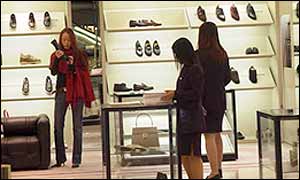 Life is good - for those with money and an education
But for women like Chen Chang, a 31-year-old documentary producer, the racy show strikes a chord.
Ms Chen and her friends are the success stories of the Communist regime's efforts at female emancipation. They have university educations, earn high salaries and live by themselves. Like the characters in Sex and the City, they want long-term relationships with men, but not at the sacrifice of their independence. Their lives would have been unthinkable in China just a few decades ago. "My grandmother wasn't even given a name" Ms Chen said. "Her family didn't consider her important enough." The grandmother was sold by her family to a wealthy silk trader as his fourth concubine. But she committed suicide after failing to give birth to a son. "She was illiterate," Ms Chen explained. "She had no education, no opportunities, and she had bound feet. "She couldn't even leave the house." Modern aspirations The Communist revolution of 1949 stamped out the use of concubines, foot binding and other 'feudal' habits. Prostitution was banned, girls were entitled to education, and women went to work outside the home. Mao Zedong famously wrote that women "hold up half the sky".
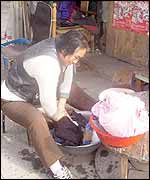
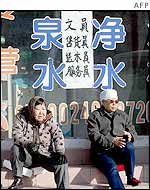
When China began to reform its economy 20 years ago, many women saw an opportunity for even greater freedom. Chen Chang borrowed money from friends and relatives to open a home furnishings store. Later she moved into film making. Her friends work in advertising and fashion. "The new market economy allows you to demonstrate your skills and gives you more independence," Ms Chen said. "And Chinese women are very clever. "We're good at making money." Ms Chen and her friends use that money to fund a lifestyle that includes drinking at fashionable bars (their favourite tipple is vodka), shopping for imported clothes, and overseas travel. Last year Ms Chen went to Australia. She wants to go to Europe next. Others struggling But not all Chinese women see their nation's burgeoning free-market as a boon. Fifty-year-old Cui Bin sells peanuts beside a busy road in downtown Beijing. She brings in about $50 a month, not enough to support her husband and five children. Mrs Cui and her husband were once both factory workers in the small city of Baoding, just a few hours from Beijing. When the factory went bankrupt, they lost their jobs. After 10 years, Mrs Cui's husband still has no job. Unlike his wife he refuses to resort to scraping a living running a market stall.
That means Mrs Cui and her family live on the brink of poverty. In this era of economic reform they no longer get access to free education and health care. Mrs Cui's cataracts - she is completely blind in one eye - have gone untreated. "These days the government doesn't even pay for you when you have a baby," she said. The family's sons are still in school, but their 17-year-old daughter did not finish high school. "We couldn't afford to pay the fees, and we needed her to start earning a living," her mother said. Mrs Cui is worried about the ways many young women now earn money. "Look at those hair dressing salons down the street," she said, pointing at a row of ramshackle shops. "They're really brothels. This place is becoming really immoral. But you can't blame the girls. They all lost their jobs, and have to find some way of earning a living," she said. Girls still murdered Across China, the new free-wheeling market economy has seen the re-emergence of evils the Communists wiped out. In the countryside, people are re-discovering their preference for boy children. The national census recently found that China has 118 males for every 100 females. In an attempt to stop parents aborting female foetuses the government has banned pre-natal gender testing. For families determined not to have a girl, that leaves female infanticide as the only option.
Also on the rise is the trafficking of women as wives and prostitutes. Earlier this year in the southern province of Guangxi, one man was executed for abducting and then selling 104 women as brides to poor farmers. The women fetched between $125 and $375 each. In China's cities, other women are marketing themselves. Some young women are choosing to become the kept mistresses of wealthy businessmen and officials, rather than having to fight it out in an increasingly discriminatory work place. Under pressure from women's groups, the government recently passed a new law explicitly banning such relationships. But a visit to a night club in any large city reveals that this new form of the concubine system is still rampant. For women who have access to education and money, China's new capitalist-style economy has opened more doors than ever. But most Chinese women are watching the gains they made after 1949 slip through their fingers. | |
Internet links:  The BBC is not responsible for the content of external internet sites Top Asia-Pacific stories now: Links to more Asia-Pacific stories are at the foot of the page. | ||||||||||||||||||||||||||||||||||||||||||||||||||||||||||||||||||||||||||||||||||||||||||||||||||||||||||||||||||||||||||||||||||||||||||||||||||||||||||||||||||||||||||||||||||||||||||||||||||||
| |
|  E-mail this story to a friend E-mail this story to a friend |
| |
| Links to more Asia-Pacific stories |
| | | ||
 | ||||
 | | Back to top
| ||
| ---------------------------------------------------------------------------------- To BBC Sport>> | To BBC Weather>> | To BBC World Service>> ---------------------------------------------------------------------------------- © MMIII | News Sources | Privacy |