|
 |
 | | | | | | ||||||||||||||||||||||||||||||||||||||||||||||||||||||||||||||||||||||||||||||||||||||||||||||||||||||||||||||||||||||||||||||||||||||||||||||||||||||||||||||||||||||||||||||||||||||||||||||||||||
| | | You are in: Asia-Pacific | ||||||||||||||||||||||||||||||||||||||||||||||||||||||||||||||||||||||||||||||||||||||||||||||||||||||||||||||||||||||||||||||||||||||||||||||||||||||||||||||||||||||||||||||||||||||||||||||||||||||
|
| | Thursday, 7 November, 2002, 16:02 GMT China's exercise of power 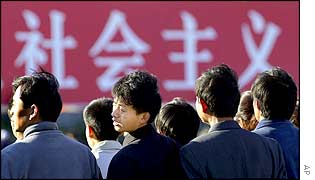 The Congress should set China's future course
Assembled before them are 2,000 delegates, carefully gathered from the furthest corners of China for the week-long meeting.
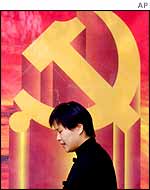
All dutifully applaud at appointed moments as the Party secretary-general lays out the achievements of the past and unveils the plan for the future. New leaders This particular Congress - the 16th - will generate more excitement than most since it will climax with the unveiling of a new generation of leaders - the fourth generation since the founding of the People's Republic of China in 1949. In theory at least, this makes this meeting the biggest political event in China since 1989, when the present leadership was put in place in the immediate aftermath of the student-led demonstrations and their brutal suppression around Tiananmen Square.
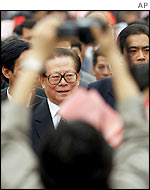
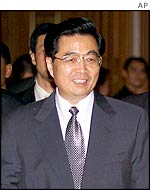
At the same time as installing Jiang Zemin as head of the third generation, Deng picked out the even-less-known figure of Hu Jintao to wait in line and succeed Jiang when the time came for the fourth generation to take over. That time has now come. Will Jiang really go? But in recent months there have been persistent reports that Mr Jiang, 76, might be trying to hold on to power after all, preventing Mr Hu and other younger leaders from taking their place. Heirs-apparent have a bad record in China. Mao and Deng each had two anointed successors sacked.
Indeed, there is still no formal mechanism for an orderly transition of power. In theory, the new leaders will be "elected". In practice decisions are taken behind the scenes through a lengthy process of political horse-trading. But China is keen to show that the rule of law is starting to take over from the rule of man. And it now seems almost certain that Mr Jiang will in fact give up his most important post as leader of the party. He will also step down from his largely honorary post of state president, though this will not formally take place until early next year. But Mr Jiang seems to have succeeded in promoting his prot�g�s to keep an eye on Mr Hu in the Politburo Standing Committee. This seven-strong body, effectively the most powerful in China, is set to be presented to the world the day after the Congress ends, probably on 14 November. Mr Jiang may also hold on to his post as head of the party's powerful military affairs commission, giving him influence behind the scenes, as Deng had. In any case, Mr Jiang is keen to leave his mark and take his place alongside Mao and Deng. That is why this Congress is expected to incorporate his political philosophy, such as it is, into the Party constitution. Stability first
It is an acknowledgement that China's future economic health - and therefore the health of the Party - depends on markets, investment and the private sector. Not only are millionaire businessmen being allowed to become Party members. They may even be invited onto the Party's central committee itself, as members of the ruling elite. Since many Party officials are already involved in private business, and since all businessmen know that party connections are vital, this new arrangement will be welcomed by the rich and powerful. But perhaps not by the millions who have lost their jobs as a result of the selling off of state-run companies, or the many more who have simply been left behind by the reforms - particularly those in the rural sector and in the vast under-developed interior. The Congress is not a place for free debate or the airing of grievances. Indeed, there is no such place - no public or impartial forum - anywhere in China. But what the Congress does offer is the only display of its kind in any of the world's major countries of the concentration of almost limitless power. Tim Luard will be covering the Party Congress for the BBC's East Asia Today programme. | |
Internet links:  The BBC is not responsible for the content of external internet sites Top Asia-Pacific stories now: Links to more Asia-Pacific stories are at the foot of the page. | ||||||||||||||||||||||||||||||||||||||||||||||||||||||||||||||||||||||||||||||||||||||||||||||||||||||||||||||||||||||||||||||||||||||||||||||||||||||||||||||||||||||||||||||||||||||||||||||||||||
| |
|  E-mail this story to a friend E-mail this story to a friend |
| |
| Links to more Asia-Pacific stories |
| | | ||
 | ||||
 | | Back to top
| ||
| ---------------------------------------------------------------------------------- To BBC Sport>> | To BBC Weather>> | To BBC World Service>> ---------------------------------------------------------------------------------- © MMIII | News Sources | Privacy |