|
 |
 | | | | | | |||||||||||||||||||||||||||||||||||||||||||||||||||||||||||||||||||||||||||||||||||||||||||||||||||||||||||||||||||||||||||||||||||||||||||||||||||||||||||||||||||||||||||||||||||||||||||||||||||||||
| | | You are in: Asia-Pacific | |||||||||||||||||||||||||||||||||||||||||||||||||||||||||||||||||||||||||||||||||||||||||||||||||||||||||||||||||||||||||||||||||||||||||||||||||||||||||||||||||||||||||||||||||||||||||||||||||||||||||
|
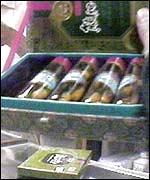
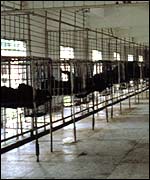
| | Monday, 28 October, 2002, 02:18 GMT New warning over China bear farms  A bears is caged and bile taken from its stomach The lucrative but illegal export trade in bear products coming from farms in China is threatening the existence of some species of the animal, a new report by campaigners says. The trade in bile produced from bears - used in traditional Chinese medicines - is worth millions of dollars a year to the Asian nation, according to the World Society for the Protection of Animals (WSPA).
It is launching a new international campaign to draw attention to their plight and seek better legal protection for all bear species. It is also calling for protests to be made to the sponsors of the 2008 Olympic Games in Beijing. The report accuses the farms of speeding the disappearance of Asiatic brown and black bears and sun bears in the wild, as more are sought to replace those dying on farms. 'Excruciatingly painful' It follows a three-year investigation by the WSPA of shops and companies in eight countries: the United States, Canada. Australia, Japan, Malaysia, Indonesia, Singapore and Taiwan.
Of the 7,000kg produced by the country each year, the WSPA estimates that around 3,000kg is sent abroad for consumption. In Japan, bear bile fetches more than $250 a gram in shops. The substance is extracted from a bear's gall bladder in an excruciatingly painful process which involves slicing into the animal's flesh to "milk" bile from the gall bladder with a tube. The process causes many of the animals to resort to chewing their paws to cope with the pain. The animals were often cruelly neglected and kept in tiny metal cages where they were often unable to stand straight, the charity said. They also only live to around 10 years of age - a third of the normal life expectancy of a bear living in the wild. The organisation has warned that the exploitation of the bears for their bile could rapidly lead to their extinction. "Bears are the victim of a blatant illegal trade that has put a price on the head of every living bear," said a senior WSPA official, Victor Watkins. "China's bear bile farms are a root cause of this problem and urgent action needs to be taken to stop the trade and close down these farms." | |
See also:  05 Apr 00 | Asia-Pacific 29 Oct 99 | Asia-Pacific 28 Jul 99 | Health 27 Jul 99 | In Depth Internet links: The BBC is not responsible for the content of external internet sites Top Asia-Pacific stories now: Links to more Asia-Pacific stories are at the foot of the page. | |||||||||||||||||||||||||||||||||||||||||||||||||||||||||||||||||||||||||||||||||||||||||||||||||||||||||||||||||||||||||||||||||||||||||||||||||||||||||||||||||||||||||||||||||||||||||||||||||||||||
| |
|  E-mail this story to a friend E-mail this story to a friend |
| |
| Links to more Asia-Pacific stories |
| | | ||
 | ||||
 | | Back to top
| ||
| ---------------------------------------------------------------------------------- To BBC Sport>> | To BBC Weather>> | To BBC World Service>> ---------------------------------------------------------------------------------- © MMIII | News Sources | Privacy |