|
 |
 | | | | | | ||||||||||||||||||||||||||||||||||||||||||||||||||||||||||||||||||||||||||||||||||||||||||||||||||||||||||||||||||||||||||||||||||||||||||||||||||||||||||||||||||||||||||||||||||||||||||||||||
| | | You are in: Asia-Pacific | ||||||||||||||||||||||||||||||||||||||||||||||||||||||||||||||||||||||||||||||||||||||||||||||||||||||||||||||||||||||||||||||||||||||||||||||||||||||||||||||||||||||||||||||||||||||||||||||||||
|
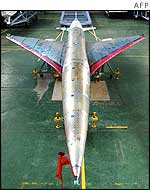
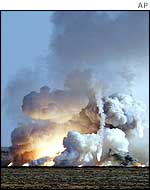
| | Sunday, 14 July, 2002, 06:33 GMT 07:33 UK Supersonic jet crashes in test 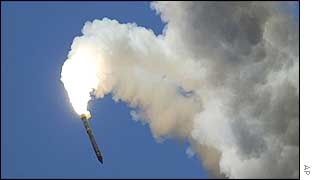 Within seconds the model was spiralling back to earth The first test launch of what Japanese scientists hope will be the next generation of supersonic jet has failed in spectacular fashion in the Australian desert. An 11.5-metre (38 feet) scale model of a plane intended to fly twice as fast as Concorde crashed into the ground shortly after taking off at a former rocket-testing range in South Australia.
No one was injured - neither the model plane nor the rocket were manned, but it marks a devastating blow for scientists who had spent the past six months preparing for the test. The aim is to develop a jet with twice the range and half the noise of Concorde, which could fly passengers from Japan to the American West Coast in just four hours. Twice the speed of sound The team, sponsored by the Japanese Government's National Aerospace Laboratory, had hoped that the booster rocket would carry the aircraft 20 kilometres above the launch site near Woomera in South Australia.
But just seconds after launch, the craft flipped over and began its erratic spiral down to earth. The cost of building the model was $80m and the Woomera test alone, the first of four planned over the coming nine months, cost $7m. Cause unknown The Japanese project team has made no statement about why the rocket might have crashed. The launch had been postponed several times because the wind was too strong in the desert.
The NEXST1 would provide a significant improvement on Concorde's performance, researchers believe. It would carry 300 passengers, triple Concorde's payload, with twice the flying range and a 75% reduction of fuel emissions. Developers, who include Mitsubishi and Nissan, hope that the new supersonic plane will have noise levels similar to the Boeing 747. That would mean that it would be able to operate far more widely than Concorde, which is notoriously noisy. | |
See also:  14 Jul 02 | Asia-Pacific 17 Jul 01 | UK 23 Apr 01 | Science/Nature Internet links: The BBC is not responsible for the content of external internet sites Top Asia-Pacific stories now: Links to more Asia-Pacific stories are at the foot of the page. | ||||||||||||||||||||||||||||||||||||||||||||||||||||||||||||||||||||||||||||||||||||||||||||||||||||||||||||||||||||||||||||||||||||||||||||||||||||||||||||||||||||||||||||||||||||||||||||||||
| |
|  E-mail this story to a friend E-mail this story to a friend |
| |
| Links to more Asia-Pacific stories |
| | | ||
 | ||||
 | | Back to top
| ||
| ---------------------------------------------------------------------------------- To BBC Sport>> | To BBC Weather>> | To BBC World Service>> ---------------------------------------------------------------------------------- © MMIII | News Sources | Privacy |