|
 |
 | | | | | | ||||||||||||||||||||||||||||||||||||||||||||||||||||||||||||||||||||||||||||||||||||||||||||||||||||||||||||||||||||||||||||||||||||||||||||||||||||||||||||||||||||||||||
| | | You are in: Asia-Pacific | ||||||||||||||||||||||||||||||||||||||||||||||||||||||||||||||||||||||||||||||||||||||||||||||||||||||||||||||||||||||||||||||||||||||||||||||||||||||||||||||||||||||||||||
|
| | Monday, 1 July, 2002, 09:40 GMT 10:40 UK Fears for Hong Kong's freedom Many feel China's influence is curtailing liberties
Five years on, in sweltering afternoon heat, 1,000 people turned out to see the lion dances and marching bands celebrate the anniversary.
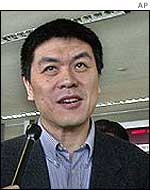
Then people partied in the rain. Now many feel that this is no time to celebrate. One of those is Li Shaomin, who on Sunday boarded an aeroplane for America. Disillusioned, he has left Hong Kong for good. Mr Li was a professor of business studies at the City University. Last year, on a research trip to China, he was arrested and accused of being a foreign spy. He was imprisoned for five months, interrogated every day. Li Shaomin was probably targeted because he is ethnically Chinese but carries an American passport. He was able to collect sensitive data in China unnoticed, and was protected by his foreign nationality. After his arrest, Hong Kong officials did nothing to help him, claiming his family never asked for assistance. Cold-shouldered And when he was released and returned, he says he found his academic colleagues unwilling to defend him and his employers unsympathetic and unwelcoming.
"Then when I was trying to take a year's leave, which all the faculty members are entitled to, they said 'No, leave for good'. So I am leaving for good." His experience reflects a growing political correctness seeping through Hong Kong. Academics and journalists are increasingly unwilling to criticise China or the local government. If they do the price can be high. Discouraging dissent On Connaught Road on Sunday, workers were digging up a pavement to lay a flowerbed. Not to make the area more attractive, but to stop members of the Falun Gong meditation movement staging demonstrations on the doorstep of offices used by mainland Chinese officials. Sixteen Falun Gong members are on trial, arrested for causing a public obstruction on this spot. Hong Kong's government doesn't see the irony in prosecuting people for blocking the pavement, and then ripping it up itself. "The 16 practitioners should never have been brought to court to be tried," says Sharon Xu, a Falun Gong spokeswoman. "They were conducting a very peaceful sit-in petition, and were not any obstruction to anyone. I think this says that freedom of expression is slowly going away."
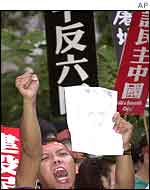
At Hong Kong's airport this week 100 Falun Gong practitioners coming from Asia and Europe to join local demonstrations were detained and then deported. Chinese dissidents have suffered the same fate. Last week it was Harry Wu, an American-Chinese human rights activist. A clear message is being sent - if Beijing doesn't like you, you will find it hard to get into Hong Kong. "Rather than allow these issues to erupt into uncontrollable situations, most of us would agree that the government should take measures at an early stage," argues Tsang Yok-Sing, leader of the pro-Beijing DAB party. He has just been named as an adviser to the Chief Executive Tung Che-hwa, so it is not surprising he supports tough measures against dissenters. "As for these people who take part in parades, demonstrations, so on, I think the most important thing is they get a fair trial." But most lawyers would say you should not be put on trial simply for being an opponent of the government in the first place. But increasingly it appears to be happening. While the lion dances were going on, Hong Kong's opposition parties were protesting against what they see as the steady erosion of civil liberties. Some of their members are also being prosecuted for holding demonstrations without police approval. It is a law that was enacted the day after Hong Kong was handed back to China, but has not been used until now. Worse to come? Lawyers like Margaret Ng worry because the government is considering even tougher anti-subversion legislation. "We understand the rule of law as a restraint of the government's power, as equality, as protection of individual rights," she says, "but C H Tung understands the rule of law to mean that the government will pass harsh laws to take away rights and make police officers exercise their maximum power to carry out policies of the government." Five years on, many have serious concerns about civil liberties in Hong Kong. They believe freedom of speech and freedom of assembly, the independence of the press, academia, and the prosecution system are being harmed. These are the very liberties that have made Hong Kong one of Asia's richest cities. Without them it will be a poorer place. | | See also:  01 Jul 02 | Asia-Pacific 30 Jun 02 | Asia-Pacific 28 Jun 02 | Asia-Pacific 31 Jul 01 | Asia-Pacific 26 Jun 02 | Asia-Pacific 24 Jun 02 | Asia-Pacific 17 Jun 02 | Asia-Pacific 25 Dec 97 | Hong Kong Internet links: The BBC is not responsible for the content of external internet sites Top Asia-Pacific stories now: Links to more Asia-Pacific stories are at the foot of the page. | ||||||||||||||||||||||||||||||||||||||||||||||||||||||||||||||||||||||||||||||||||||||||||||||||||||||||||||||||||||||||||||||||||||||||||||||||||||||||||||||||||||||||||
| |
|  E-mail this story to a friend E-mail this story to a friend |
| |
| Links to more Asia-Pacific stories |
| | | ||
 | ||||
 | | Back to top
| ||
| ---------------------------------------------------------------------------------- To BBC Sport>> | To BBC Weather>> | To BBC World Service>> ---------------------------------------------------------------------------------- © MMIII | News Sources | Privacy |