|
 |
 | | | | | | |||||||||||||||||||||||||||||||||||||||||||||||||||||||||||||||||||||||||||||||||||||||||||||||||||||||||||||||||||||||||||||||||||||||||||||||||||||||||||||||||||||||||||
| | | You are in: Asia-Pacific | |||||||||||||||||||||||||||||||||||||||||||||||||||||||||||||||||||||||||||||||||||||||||||||||||||||||||||||||||||||||||||||||||||||||||||||||||||||||||||||||||||||||||||||
|
| | Thursday, 27 June, 2002, 00:45 GMT 01:45 UK China's rural tax revolution Farmers have been held back by too many taxes
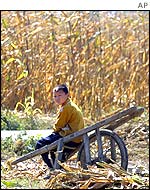
Mr Tao is a beneficiary of China's first rural tax reform scheme, and he is clearly pleased about it. In the two years since the reforms began, Mr Tao says the tax he pays on his land has fallen by almost half.
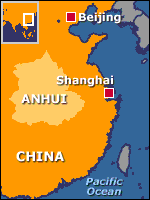
Anhui province is piloting the reforms to a tax system which officials admit has poisoned relations between farmers and the Communist Party. Mr Tao recalls how bad things used to be. "In the past when we had to pay so much tax, to be honest we used to feel really uncomfortable whenever we saw a party official, because whenever they came here they were bound to be asking for money," he said. And it was not just the basic agricultural tax which officials were collecting. The local Communist Party secretary, Yang Wenlin, lists the fees which farmers used to have to pay: education surcharge, village road maintenance fee, family planning fee, military training charge. Bad feeling Those were just the legal ones.
It has left a legacy of bad feeling. In neighbouring Jiangxi province, two farmers were killed last year when police stormed a village where peasants were protesting against excessive taxes. At the Anhui provincial finance bureau, Wang Jianguo, who is overseeing the tax reforms, said the illegal charges are often made because local officials want to do something for their area - like build a road - but lack the funds. So they turn to the farmers. The problem, he said, is that not all farmers benefit equally. Even those who want a road may not have any money to spare, so they end up in debt. Under Anhui's reforms, villagers pay only a reduced land tax, plus a small fixed surcharge to the village authorities. All other fees and taxes have been abolished, with stiff penalties for officials who try to reimpose them.
"There used to be a lot of dispute and clashes in tax collection. Now we've reduced the burden, the relationship between the farmers and officials has improved a lot. "So the farmers are more motivated to work and the officials no longer have to spend so much of their time collecting money, so they can concentrate on what they should be doing - like planning ways to develop the local economy," he said. Back in Maqiao village, at the local primary school, the children of class four belt out a patriotic tune about a happy land filled with smiling faces. Spending worries Their fervour may have been increased by the fact that their families no longer have to pay the local education surcharge, which used to fund half the school's running costs. But in the county governments, which must now take responsibility for funding education, the initial reaction has been one of anxiety.
China's leaders have now sought to reassure the localities by pledging the biggest ever direct subsidy for rural education and more funding for other local government functions. But local bureaucracies have also been ordered to save money by cutting jobs. The reforms also remove their right to demand up to four weeks' unpaid labour each year from farmers for public works projects like irrigation. Anhui's tax reform supervisor, Wang Jianguo, admits there will be pain. "The county level governments are feeling new financial pressure. In some poor counties, and mountain areas in particular, they're facing a challenge. But the central government has made it a top priority to solve this problem," he said. Officials in Anhui describe the tax reforms as another revolution for the Chinese countryside. They have been seen as a key attempt by the communist party to tackle the roots of dissatisfaction among the peasants who brought it to power. Yet Anhui is by no means China's poorest province. It may require an unprecedented level of extra funding to rural areas to ensure that the reforms succeed across the country and keep China's farmers smiling. | | See also:  23 Jun 02 | Asia-Pacific 21 May 02 | Business 14 May 02 | Asia-Pacific 15 Mar 02 | Business 08 Mar 02 | Country profiles Top Asia-Pacific stories now: Links to more Asia-Pacific stories are at the foot of the page. | |||||||||||||||||||||||||||||||||||||||||||||||||||||||||||||||||||||||||||||||||||||||||||||||||||||||||||||||||||||||||||||||||||||||||||||||||||||||||||||||||||||||||||
| |
|  E-mail this story to a friend E-mail this story to a friend |
| |
| Links to more Asia-Pacific stories |
| | | ||
 | ||||
 | | Back to top
| ||
| ---------------------------------------------------------------------------------- To BBC Sport>> | To BBC Weather>> | To BBC World Service>> ---------------------------------------------------------------------------------- © MMIII | News Sources | Privacy |