|
 |
 | | | | | | ||||||||||||||||||||||||||||||||||||||||||||||||||||||||||||||||||||||||||||||||||||||||||||||||||||||||||||||||||||||||||||||||||||||||||||||||||||||||||||||||||||||||||||||||||||||||||||||||||||||||||||||||||||||||||||||||||||||||||||||||||||||||||||||||
| | | You are in: Americas | ||||||||||||||||||||||||||||||||||||||||||||||||||||||||||||||||||||||||||||||||||||||||||||||||||||||||||||||||||||||||||||||||||||||||||||||||||||||||||||||||||||||||||||||||||||||||||||||||||||||||||||||||||||||||||||||||||||||||||||||||||||||||||||||||||
|
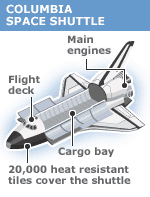
| | Monday, 3 February, 2003, 14:57 GMT Heat rise clue to shuttle disaster  People across the US are mourning the astronauts The space shuttle Columbia may have been shedding heat-protection tiles as it flew over the United States on its re-entry into the Earth's atmosphere, Nasa officials have said.
Nasa has vowed to leave "no stone unturned" in its investigation into why the space shuttle disintegrated just minutes before its scheduled landing on Saturday. Heat sensor readings have shown that the temperature of the left side of the craft started to rise as it passed over California and New Mexico and that the shuttle was experiencing increased drag on the same side.
Space Shuttle Programme Manager Ron Dittemore said the increased drag could have been an indication that the shuttle had lost heat-protection tiles or that the tiles had become uneven. "But I have to caution you that this is a very fluid situation and what we understand today may change in the coming days," he stressed.
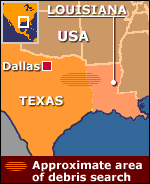
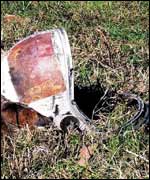
Experts are carrying out a painstaking analysis of the mass of data transmitted back from the shuttle in the final minutes of its flight. Another key part of the investigation will be analysing the pieces of the shuttle which rained down over the southern US - a process likely to take months. Possible damage to the tiles on Columbia's left wing had already been flagged up as a cause for concern. The wing was hit by a piece of insulating foam which peeled away from the external fuel tank a little more than a minute into Columbia's launch on 16 January. The incident was spotted and checked at the time, Nasa officials said. But they acknowledged they could not now rule out a connection.
Already, accusations are being levelled that Nasa chiefs ignored a series of safety warnings. But these were rejected by Nasa administrator Sean O'Keefe, who said every safety concern was tackled before a shuttle launch. The disaster has raised questions about the future of the 16-nation International Space Station (ISS). However, Russia on Sunday went ahead with the launch of an unmanned cargo vessel to serve the ISS. Families' pride Shock and grief at the disaster has been expressed around the world. India, where one of the crew was born, and Israel, which had hoped to celebrate the return of the first Israeli astronaut, joined the US in mourning.
The crew's relatives have been speaking of their grief, but also of their pride. The family of astronaut Laurel Clark said she had sent them e-mails on Friday speaking of her love of space. "She was proud to be representing her country and dealing with advanced scientific projects from all over the world," her aunt Betty Havilan told local television in Wisconsin. Debris danger The shuttle broke up 40 miles (65 kilometres) above the Earth, scattering debris and human remains over a huge area. FBI agents joined local police officers in the search.
About three dozen people needed hospital treatment for burns and breathing problems after handling pieces of the wreckage. Nasa warned residents to avoid any debris. Columbia, had been due to land at 0916 EST (1416 GMT) on Saturday at the end of a 16-day mission. Contact was lost at about 0900 EST. Nasa said the shuttle was travelling at 12,500 mph (20,000 km/h) at the time. In 42 years of human spaceflight, Nasa has never before lost a space crew during landing. In 1986, the space shuttle Challenger exploded shortly after lift-off, with the loss of all seven crew on board. | |
See also:  03 Feb 03 | Science/Nature 02 Feb 03 | Europe 03 Feb 03 | Americas 01 Feb 03 | Americas 03 Feb 03 | South Asia Internet links: The BBC is not responsible for the content of external internet sites Top Americas stories now: Links to more Americas stories are at the foot of the page. | ||||||||||||||||||||||||||||||||||||||||||||||||||||||||||||||||||||||||||||||||||||||||||||||||||||||||||||||||||||||||||||||||||||||||||||||||||||||||||||||||||||||||||||||||||||||||||||||||||||||||||||||||||||||||||||||||||||||||||||||||||||||||||||||||
 | |
|  E-mail this story to a friend E-mail this story to a friend |
| |
| Links to more Americas stories |
| | | ||
 | ||||
 | | Back to top
| ||
| ---------------------------------------------------------------------------------- To BBC Sport>> | To BBC Weather>> | To BBC World Service>> ---------------------------------------------------------------------------------- © MMIII | News Sources | Privacy |






 She was proud to be representing her country