|
 |
 | | | | | | |||||||||||||||||||||||||||||||||||||||||||||||||||||||||||||||||||||||||||||||||||||||||||||||||||||||||||||||||||||||||||||||||||||||||||||||||||||||||||||||||||||||||||||||||||||||||||||||||||||||||||||||||||||||||||||||||||||||||||
| | | You are in: Americas | |||||||||||||||||||||||||||||||||||||||||||||||||||||||||||||||||||||||||||||||||||||||||||||||||||||||||||||||||||||||||||||||||||||||||||||||||||||||||||||||||||||||||||||||||||||||||||||||||||||||||||||||||||||||||||||||||||||||||||||
|
| | Sunday, 2 February, 2003, 02:00 GMT The dangers of space travel  Man's desire to conquer space has had a human cost
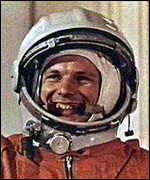
Since 1961, when Yuri Gagarin became the first human in orbit, man has put himself in peril by pursuing his dream of conquering space. The first manned spaceflight was a brief affair. Strapped into his 4�-tonne craft, Vostock 1, it took the young Soviet cosmonaut less than 90 minutes to make an orbit of the Earth before returning home.
Down the years, that legacy has cost a significant handful of lives. In January 1967, three American astronauts died on board the Apollo 1 spacecraft. Virgil Grissom, Roger Chaffe and Edmund White all perished in a fire during a simulated lift-off at Cape Canaveral in Florida. The accident was caused by a wiring short-circuit in the craft's pure oxygen atmosphere - a flaw that forced a redesign of the Apollo craft and delayed its first manned mission.
Komaruv is one of only 11 people to die on a space mission. In 1971 three cosmonauts - Georgi Dobrovolsky, Vladislav Volkov and Victor Patsayev - died during re-entry. The men had spent a record 24 days away from Earth but died because of an accidental depressurisation of their Soyuz spacecraft. Before Saturday's Columbia disaster, the only other fatal accident had been the 1986 Challenger explosion, in which all seven crew were killed. Near misses Significantly more people have died in space-related accidents, before craft have even left the ground. In October 1960, 91 people were killed when a rocket exploded at a space centre in Kazakhstan in the USSR.
And there have been some near misses - one of the most recent being the 1997 collision between the aging Russian space station Mir and a supply ship. A recent report found the sheer amount of human activity in space was proving a danger in itself, because of the risk of collision with floating debris left by previous missions. How dangerous is it? There are an estimated 10,000 man-made objects larger that 10 cm (4 inches) in orbit and probably tens of millions of fragments less than 1 cm (0.4 inch). Space travel is often cited as more dangerous than just about any other form of getting around. But the true extent of the danger remains a hotly debated topic.
As BBC News Online's science editor Dr David Whitehouse points out, if the same statistics were applied to everyday travel, anyone who drove their car to and from work once a day would be lucky to live to the end of the month. Yet, comparing accidents to the number of hours spent in space gives a different picture. Following the Mir collision in 1997, the New Scientist calculated that the number of deaths in space equated to 1 per 10,000 "flying hours". "The figure for the US's aircraft industry last year was one death every 37,000 flying hours," said the magazine. "Express this as deaths per passenger mile and flying in space turns out to be the safest form of travel on or off Earth." | |
See also:  23 Nov 02 | 28 Internet links: The BBC is not responsible for the content of external internet sites Top Americas stories now: Links to more Americas stories are at the foot of the page. | |||||||||||||||||||||||||||||||||||||||||||||||||||||||||||||||||||||||||||||||||||||||||||||||||||||||||||||||||||||||||||||||||||||||||||||||||||||||||||||||||||||||||||||||||||||||||||||||||||||||||||||||||||||||||||||||||||||||||||
 | |
|  E-mail this story to a friend E-mail this story to a friend |
| |
| Links to more Americas stories |
| | | ||
 | ||||
 | | Back to top
| ||
| ---------------------------------------------------------------------------------- To BBC Sport>> | To BBC Weather>> | To BBC World Service>> ---------------------------------------------------------------------------------- © MMIII | News Sources | Privacy |