|
 |
 | | | | | | |||||||||||||||||||||||||||||||||||||||||||||||||||||||||||||||||||||||||||||||||||||||||||||||||||||||||||||||||||||||||||||||||||||||||||||||||||||||||||||||||||||||||
| | | You are in: Americas | |||||||||||||||||||||||||||||||||||||||||||||||||||||||||||||||||||||||||||||||||||||||||||||||||||||||||||||||||||||||||||||||||||||||||||||||||||||||||||||||||||||||||||
|
| | Monday, 25 November, 2002, 11:07 GMT Colombia in talks with paramilitaries 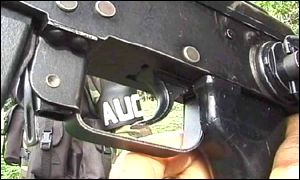 The AUC is said to have agreed to a two-month truce The Colombian Government has been holding secret talks with the country's largest right-wing paramilitary groups in an attempt to set up possible peace negotiations, officials have revealed.
Cardinal Pedro Rubiano, president of the Colombian Bishops Conference, said that the AUC had asked bishops to set up the meetings in areas where the group is active, the Associated Press reported. AUC leader Carlos Castano reportedly agreed to call a two-month ceasefire - commencing 1 December - as a goodwill gesture, according to local media. Reports say he could announce the move formally in the next few days. Such negotiations could lead to the demobilisation of the AUC's 9,000-strong force and an amnesty for militia leaders. Ending conflict Correspondents say a ceasefire could also lead to a dramatic shift in the balance of forces in the country, where about 3,500 people, mostly civilians, are killed every year by fighting between Marxist rebels, right-wing paramilitaries and government forces.
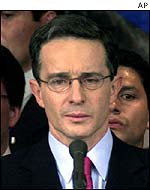
Interior Minister Fernando Londono acknowledged that "contact" had taken place between the two sides. But he added that Colombian President Alvaro Uribe "reserved the right to handle the process", French news agency AFP reported. Mr Uribe's hardline government has said that although it is open to talks with any armed group a ceasefire is a firm pre-condition for negotiations to end the country's bloody 38-year civil conflict. However, the BBC's Jeremy McDermott in Colombia says there are fears that if the paramilitaries disarm and abandon the large swathes of the country currently under their control they will simply be replaced by their guerrilla enemies. Colombia's security forces, they say, do not have the strength to occupy the disputed areas. "If the paramilitaries take this step and the others don't, we will see a massacre of Colombians," Cardinal Rubiano said. US indictment The AUC was ostensibly formed to eradicate Colombia's Marxist guerrillas such as the Revolutionary Armed Forces of Colombia (FARC) and the National Liberation Army (ELN). Funded by drug money and suspected of links to hardliners within the Colombian army, they have carried out some of the most appalling massacres of suspected left-wing guerrilla sympathisers, politicians and journalists. Their leader - Mr Castano - was recently indicted by the US State Department on charges of smuggling cocaine and is being sought for extradition by US authorities. He has already been sentenced in absentia by Colombian authorities to serve 22 years in prison. | |
See also:  25 Sep 02 | Americas 13 Nov 02 | Americas 24 Sep 02 | Americas 23 Sep 02 | Americas 22 Sep 02 | Americas 07 Aug 02 | Americas Internet links: The BBC is not responsible for the content of external internet sites Top Americas stories now: Links to more Americas stories are at the foot of the page. | |||||||||||||||||||||||||||||||||||||||||||||||||||||||||||||||||||||||||||||||||||||||||||||||||||||||||||||||||||||||||||||||||||||||||||||||||||||||||||||||||||||||||
| |
|  E-mail this story to a friend E-mail this story to a friend |
| |
| Links to more Americas stories |
| | | ||
 | ||||
 | | Back to top
| ||
| ---------------------------------------------------------------------------------- To BBC Sport>> | To BBC Weather>> | To BBC World Service>> ---------------------------------------------------------------------------------- © MMIII | News Sources | Privacy |