|
 |
 | | | | | | ||||||||||||||||||||||||||||||||||||||||||||||||||||||||||||||||||||||||||||||||||||||||||||||||||||||||||||||||||||||||||||||||||||||||||||||||||||||||||||||||||||||||||||||||||||||||
| | | You are in: Americas | ||||||||||||||||||||||||||||||||||||||||||||||||||||||||||||||||||||||||||||||||||||||||||||||||||||||||||||||||||||||||||||||||||||||||||||||||||||||||||||||||||||||||||||||||||||||||||
|
| | Wednesday, 13 November, 2002, 18:10 GMT The kidnapping business 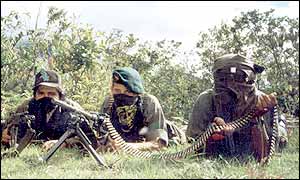 Analysts say money, not politics, is the bottom line
It estimates there are now more than 10,000 kidnaps around the world every year. Incidents range from Chechen rebels seizing audience and actors in a Moscow theatre to a plot to kidnap the family of England football captain David Beckham.
There are no official kidnap league tables, but near the top come Mexico, Brazil, the Philippines and the states of the former Soviet Union. Colombia, however, is the clear frontrunner with 3,000 kidnaps a year - and those are just the ones which are reported. Armed rebel groups were originally set up to overthrow the government, but hostage-taking has since become part of their daily business.
Antonio Garcia left his Colombian homeland because of the threat of kidnap - his father, who has a small farm, has already been abducted twice. "He was in captivity and he couldn't go and get the money so they had to free him for him to be able to get the money so it's a bit funny," Mr Garcia recalled. "It's like they let you pay in instalments, like an agency. They name it as the tax of war. "Even the police say you'd better pay because... they really are stronger than the army." Daily dangers Kidnapping in some areas in Colombia has virtually become an everyday hazard.
"They hire bodyguards, they buy armoured cars and they just don't go out at all," he said. "Kidnapping is such an industry now in Colombia and everyone in Colombia has had attempts of kidnapping." Some kidnap groups may have political beliefs, but the Foreign Policy Centre's Rachel Briggs said the driving force for all of them - like any multinational company - is trade, reputation and the bottom line. "Kidnapping around the world in many places is actually run as a business, rather than as a means of settling a political dispute," she said. "In places like Latin America, kidnappers are after hard cash. There are estimates that kidnappers could be taking home $500m a year," added Ms Briggs, whose report "Kidnapping Business" offered an agenda for those involved with the issue, including the British Foreign Office, non-governmental organisations and companies. Different goals But even with money at the heart, different gangs had different reasons for acting, she said. "In certain parts of the world there is just straightforward kidnapping.
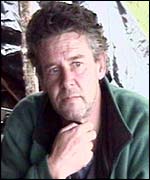
"If you look at the type of kidnaps that take place in Mexico, it's criminal gangs - they are looking to make money out of kidnapping. "In other areas of the world, the distinction is harder to make. It may be political gangs who are looking for money to further their cause," she said. "Compare the kidnappers to a multinational company - they've got a reputation to maintain. "If they gain a reputation for doing away with the victim once they've got the money in, then the next person down the line is going to be less likely to pay up." Negotiation boom Like in any business, deals have to be done and prices agreed, according to Paul Slaughter, a specialist kidnap negotiator who has arranged the handover of hostages in Africa and South America.
"The victim's on one side of the clearing, you're on the other and the two meet and you do the exchange and both go your separate ways," he said, adding that when he did such a deal with a Colombian rebel group he found it "a surreal experience". "Handing over money does save lives," Mr Slaughter said. "Often, the only choice for those involved is simply to haggle over how much. "So along with the rise in kidnaps, a counter industry has developed - skilled in the art of negotiation and pay-outs. "The worry is that this industry deals with the problem of kidnapping now, at the possible expense of encouraging it in the future." | |
See also:  12 Nov 02 | Americas 12 Nov 02 | Americas 21 Jun 02 | Europe 24 May 02 | Africa 01 Feb 02 | Business 27 Nov 01 | Business 27 May 01 | Asia-Pacific Internet links: The BBC is not responsible for the content of external internet sites Top Americas stories now: Links to more Americas stories are at the foot of the page. | ||||||||||||||||||||||||||||||||||||||||||||||||||||||||||||||||||||||||||||||||||||||||||||||||||||||||||||||||||||||||||||||||||||||||||||||||||||||||||||||||||||||||||||||||||||||||
| |
|  E-mail this story to a friend E-mail this story to a friend |
| |
| Links to more Americas stories |
| | | ||
 | ||||
 | | Back to top
| ||
| ---------------------------------------------------------------------------------- To BBC Sport>> | To BBC Weather>> | To BBC World Service>> ---------------------------------------------------------------------------------- © MMIII | News Sources | Privacy |