|
 |
 | | | | | | |||||||||||||||||||||||||||||||||||||||||||||||||||||||||||||||||||||||||||||||||||||||||||||||||||||||||||||||||||||||||||||||||||||||||||||||||||||||||||||||||||||||||||||||||||
| | | You are in: Africa | |||||||||||||||||||||||||||||||||||||||||||||||||||||||||||||||||||||||||||||||||||||||||||||||||||||||||||||||||||||||||||||||||||||||||||||||||||||||||||||||||||||||||||||||||||||
|
| | Monday, 10 February, 2003, 15:33 GMT Last hours for Nigeria registration  Four ex-generals are seeking the presidency
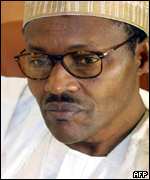
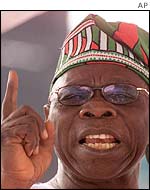
Presidential aspirants in Nigeria have until the end of Monday to hand in their nomination papers ahead of elections scheduled for April. Although the full list has not been made public, sources at the Independent National Electoral Commission (Inec) say that at least 15 candidates have so far applied to contest the presidency. Polls are also being held for elected officers at all levels of government, and the process will be a stern test for a country that has never held a successful election under civilian rule. Prediction is a dangerous game in Nigerian politics, but it is probably safe to make just one: if President Obasanjo loses this election he will be replaced by another former army general. Generals There are no fewer than four of them in this race, representing all the most influential parties. Mr Obasanjo's closest rival is retired Major General Muhammadu Buhari, a northern Muslim and former military head of state in the early 1980s.
Because Obasanjo is a southern Christian, many election analysts see this contest as a two-horse race, splitting support in the country down the middle, creating religious and ethnic tensions that could prove explosive in the run-up to the poll. Further down the running order of presidential aspirants is another well-known former general, Emeka Ojukwu, leader of the breakaway republic of Biafra in the late 1960s. Mr Ojukwu has a loyal following in parts of the east, but with little wider national support his presidential ambitions are unlikely to be fulfilled. Politics and money There are a host of smaller parties contesting this election and some have put up presidential candidates.
But Nigerian politics remains a game of big men and big money and whilst these recently registered parties may have grassroots' support in localised areas, they do not as yet have wider national appeal. So for now the smart money remains on Mr Obasanjo winning a second four-year term. The political system and the money backing it strongly favours an incumbent president, and although Mr Buhari's bid is well-funded, he is simply not in a position to bestow the political favours on influential local leaders so vital for widespread electoral support in Nigeria. | |
See also:  06 Feb 03 | Africa 06 Jan 03 | Africa 02 Jan 03 | Africa 01 Apr 02 | Africa Internet links: The BBC is not responsible for the content of external internet sites Top Africa stories now: Links to more Africa stories are at the foot of the page. | |||||||||||||||||||||||||||||||||||||||||||||||||||||||||||||||||||||||||||||||||||||||||||||||||||||||||||||||||||||||||||||||||||||||||||||||||||||||||||||||||||||||||||||||||||
 | |
|  E-mail this story to a friend E-mail this story to a friend |
| |
| Links to more Africa stories |
| | | ||
 | ||||
 | | Back to top
| ||
| ---------------------------------------------------------------------------------- To BBC Sport>> | To BBC Weather>> | To BBC World Service>> ---------------------------------------------------------------------------------- © MMIII | News Sources | Privacy |