|
 |
 | | | | | | ||||||||||||||||||||||||||||||||||||||||||||||||||||||||||||||||||||||||||||||||||||||||||||||||||||||||||||||||||||||||||||||||||||||||||||||||||||||||||||||||||||||||||||||||||||||||||||||||||||||||||||||||||||
| | | You are in: Africa | ||||||||||||||||||||||||||||||||||||||||||||||||||||||||||||||||||||||||||||||||||||||||||||||||||||||||||||||||||||||||||||||||||||||||||||||||||||||||||||||||||||||||||||||||||||||||||||||||||||||||||||||||||||||
|
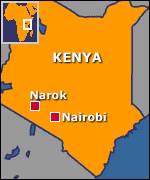
| | Friday, 7 February, 2003, 12:34 GMT Kenyan girls flee mutilation  Kenyan girls should be protected by the police As least 100 Kenyan girls are in hiding from their parents as they seek to escape forced Female Genital Mutilation (FGM). Churches in south-western Kenya have been sheltering them after they ran away from their homes. BBC News Online has been told that there are some 700 others in the south-west alone, who have not yet run away but are in dispute with their parents who want them to undergo FGM. FGM, traditionally known as circumcision, remains widespread in much of rural Kenya, even though it was outlawed among young girls in 2001, with girls above the age of 16 able to make their own decision. Help Agnes Yapan, a co-ordinator for the women's NGO, Maendeleo Ya Wanawake, which campaigns against forced FGM, is helping to look after 33 of the girls in Narok.
"We would like some assistance. If we can get some help we will be able to look after them properly," she said The girls aged between about 13 and 18, go to school or are training in the daytime. They then stay together in church rooms in the evening, using church-supplied bedding. She said there was a similar situation in nearby areas. "No-one helped them run away. They know we have been teaching against the dangers of FGM"
She said as soon as a girl was circumcised "she is given up to her husband". "We want them to get their eduction." Many of the girls fled their homes as long ago as December, at the start of the long holidays. Secretive Maendeleo say that Narok and Kisii districts in the west have the highest cases of FGM in the country and a lot more effort is required to contain the practice in these areas.
Executive Director of the Centre for Human Rights and Democracy Ken Wafula said recently that most communities in Kenya practising FGM were now doing it in secret to avoid arrest. He said his organisation was visiting various primary schools to educate young girls against the dangers of the rite and encouraging the formation of anti-FGM clubs in schools. According to a 1998 survey in Kenya, 38% of women aged between 15 and 49 years old were estimated to have undergone FGM. The World Health Organisation estimates that about 130 million girls and women in 28 countries undergo some form of female circumcision. Thursday, was the first UN-backed International Day Against Female Genital Mutilation and Other Harmful Traditional Practices. | |
See also:  08 Feb 03 | Health 06 Feb 03 | Africa 12 Dec 01 | Africa 13 Dec 00 | Africa 09 Jun 00 | Health 30 Jun 00 | Africa 06 Sep 99 | Africa 28 Nov 00 | Africa Internet links: The BBC is not responsible for the content of external internet sites Top Africa stories now: Links to more Africa stories are at the foot of the page. | ||||||||||||||||||||||||||||||||||||||||||||||||||||||||||||||||||||||||||||||||||||||||||||||||||||||||||||||||||||||||||||||||||||||||||||||||||||||||||||||||||||||||||||||||||||||||||||||||||||||||||||||||||||
 | |
|  E-mail this story to a friend E-mail this story to a friend |
| |
| Links to more Africa stories |
| | | ||
 | ||||
 | | Back to top
| ||
| ---------------------------------------------------------------------------------- To BBC Sport>> | To BBC Weather>> | To BBC World Service>> ---------------------------------------------------------------------------------- © MMIII | News Sources | Privacy |