|
 |
 | | | | | | ||||||||||||||||||||||||||||||||||||||||||||||||||||||||||||||||||||||||||||||||||||||||||||||||||||||||||||||||||||||||||||||||||||||||||||||||||||||||||||||||||||||||||||||||||||||||||||||
| | | You are in: Africa | ||||||||||||||||||||||||||||||||||||||||||||||||||||||||||||||||||||||||||||||||||||||||||||||||||||||||||||||||||||||||||||||||||||||||||||||||||||||||||||||||||||||||||||||||||||||||||||||||
|
| | Tuesday, 26 November, 2002, 11:37 GMT My testing time  Many fear the consequences of an indiscretion
Thursday 31 October was not going to be like any other day in my life. I was going to know my HIV status. Nagging doubts had taken their toll on my psyche for four years, after an uncharacteristic moment of indiscretion with a woman that I barely knew and never saw again.
I was so scared of a positive diagnosis that I did not have the courage to find out the results of a previous test that I had done in 1998. A total lack of tact by a health adviser at the time, who did little to put me at ease, fanned the embers of my fear. Taboo But the grave implications of what could happen should I persist in ignorance hit home when a relative was diagnosed with HIV in 1999.
His untimely demise was a reminder that burying my head in the proverbial sand was no antidote to my anxieties. The death of my relative forced my extended family to face up to Aids, something Nigerians regard as a taboo subject they would rather not talk about. Until the death of music icon Fela Anikulapo-Kuti, no middle-class Nigerian family would publicly admit that a relative had been lost to HIV. People only died after a mysterious "brief illness". But despite my relative's passing, it still took another three years to summon up the courage to find my answers. Test After phoning an NHS confidential line to get the appointment the Monday before, I got the day off work and went to a drop-in centre at London's Guy's Hospital, where same-day results are provided.
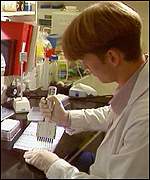
Unlike the previous health adviser, the Scandinavian woman who conducted the pre-test enquiries was kind and sensitive to my fears. After responding to intrusive questions that no other person would have dared ask, I had my blood drawn before noon and was told to return by 3.45pm for the result.� They were the longest four hours of my life. After leaving the hospital, I walked into a trendy bar to get lunch and take my mind off the test result. But enjoying the meal was impossible.
Telling my parents, that their eldest son could develop full-blown Aids, would be too much of a burden for them to bear. Would my friends stand by me? How differently would I be treated by my professional colleagues if they knew I had contracted the virus? But my positive side told me that I was worrying over nothing and was being unnecessarily paranoid. Result After idling away the time window-shopping on Oxford Street, I returned to the hospital. I was several minutes late and spent what seemed like an eternity in the waiting room for the result. It was a petrifying moment, as I shook like a leaf in the autumn wind. When the health adviser asked me back into the interview room, I listened to the words that changed my life. "Your test results are back and they're negative," she smiled. The overwhelming feeling of relief knocked me off my chair. As I sat on the floor, four years of fear had come to an end. But not everyone who walks out of that clinic is as fortunate. For many, it is a day when life, as they knew and loved it, has been turned on its head. And no amount of empathy will ease their pain. Your comments:
I had a very similar test 18 months ago, for no other reason than I had never had one before. I'm not particularly promiscuous, but had had unprotected sex with partners that I wouldn't class as dangerous. By the time I went for the test, I was extremely nervous as I started to realise what a positive result might mean to me. In a weird way I felt it would give me the kick up the backside that I needed in my life at that time! Four hours later, I obtained my negative result. I would recommend that if you are thinking about whether you should have a test, then do so - it's actually very fulfilling. I was diagnosed HIV+ in 1992, in the first and only test I had taken. I knew I had not engaged in risky behaviour in the last nine years, though I had before then, when the disease was not really known. Since then I've come close to dying, but I am now on a good drug program and have it under control. Having the sword of this disease hanging over your neck gives you a strong appreciation for life and makes you value each day. In that sense it is positive.
Jason Smith, US I would encourage anyone who has any doubt at all in their minds to go for a complete sexual health check-up. It is only a couple of swabs and a blood test. The two days I waited for my results really made me face up to how often I may have put myself at risk over the years. It was a really sobering wake-up call, and I haven't had a single 'weak-willed' moment since. Getting a test is a good way to start taking your sexual health seriously. | |
See also:  08 Nov 02 | Health Internet links: The BBC is not responsible for the content of external internet sites Top Africa stories now: Links to more Africa stories are at the foot of the page. | ||||||||||||||||||||||||||||||||||||||||||||||||||||||||||||||||||||||||||||||||||||||||||||||||||||||||||||||||||||||||||||||||||||||||||||||||||||||||||||||||||||||||||||||||||||||||||||||
|  |
|  E-mail this story to a friend E-mail this story to a friend |
 | |
| Links to more Africa stories |
| | | ||
 | ||||
 | | Back to top
| ||
| ---------------------------------------------------------------------------------- To BBC Sport>> | To BBC Weather>> | To BBC World Service>> ---------------------------------------------------------------------------------- © MMIII | News Sources | Privacy |






 A relative's untimely demise was a reminder that burying my head in the proverbial sand was no antidote to my anxieties