
|
 |
 | | | | | | ||||||||||||||||||||||||||||||||||||||||||||||||||||||||||||||||||||||||||||||||||||||||||||||||||||||||||||||||||||||||||||||||||||||||||||||||||||||||||||||||||||||||||||||||||||||||||||||||||||||||||||||||||||||||||||||||||||||||||||||||||||||||||||||||||||||||||||||||||||||||||||||||||||||||||||||||||||||||||||||
| | | You are in: Africa | ||||||||||||||||||||||||||||||||||||||||||||||||||||||||||||||||||||||||||||||||||||||||||||||||||||||||||||||||||||||||||||||||||||||||||||||||||||||||||||||||||||||||||||||||||||||||||||||||||||||||||||||||||||||||||||||||||||||||||||||||||||||||||||||||||||||||||||||||||||||||||||||||||||||||||||||||||||||||||||||||
|
| | Wednesday, 24 July, 2002, 14:48 GMT 15:48 UK Quality of life: Sierra Leone versus Norway 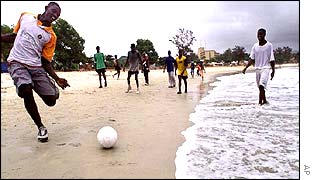 Sierra Leoneans are resuming normal lives Norway is the most highly developed country according to the UN's 12th annual Human Development Report, with Sierra Leone ranked as the least developed. The report ranks countries by quality of life, based largely on life expectancy, education and personal incomes. How do the lives of ordinary citizens in the countries at the top and the bottom of the ladder compare? Lars Bevanger, Norwegian journalist  There are strict labour laws and there is a strong emphasis within society on the quality of free time. We have wide, open spaces to enjoy and traffic is no problem. The provision of essential services is good - healthcare is affordable and mainly run by the state sector. It's the same with education, most people opt for state education - hardly anyone uses the private sector. There are good social security provisions and few people fall outside the system - there is a safety net for everyone. Childcare, which is provided by the state, and maternity leave are among the best in Europe - the country is well-designed for young families. Norway is one of the largest consuming nations in the world, particularly electronics - electricity is cheap because there is a lot of renewable energy. However, some people do have complaints - taxes, for example, are high and the cost of food and drink is high. We don't go out much to restaurants. Some people also argue that the government interferes too much in everyday life - that Norway is a "nanny" state. But the priority for the government has always been to keep the state sector strong and to ensure that Norway is an equal society - that there is not too much of a gap between the rich and the poor. There is a very democratic culture - a free and well-read press and active citizens' action groups. Unlike many countries in Europe, we don't feel there is a separate political class.  Josephine Hazeley, Sierra Leonean journalist Hunger is rife, and around one in five people survive on less than a dollar a day. In the provinces, electricity is virtually non-existent and many people cannot afford fuel, heating or proper housing. Access to water is restricted. Most people rely on streams or wells, which are often a long way from their homes. Healthcare is prohibitively expensive. And while the cost is starting to fall, most people will still be unable to afford it. As a result, life expectancy stands at barely 39 years. Access to other essential services, such as education, is improving. The years of civil war closed most of the schools. The literacy rate is low and education is seen as a priority by President Ahmad Tejan Kabbah. Little by little, people are beginning to send their children back to school. There is a gulf between the rich and the poor. In the cities, the professional classes are relatively well-off. Some can afford luxury items, such as cars, generators, and their children are privately educated. There is a mood of optimism in the country. President Kabbah has pledged to improve the overall quality of life. He has promised a stable economy, a network of roads, a more consistent supply of water and electricity and an improvement in essential services. But, in the short-term, people are keenly waiting to see if he will make good on his promise to crack down on corruption, which has been one of the country's biggest setbacks for many years. Top 15 countries:
* For Human Development Index a value of 99% was applied Bottom 15 countries:
| |
See also:  04 Sep 00 | Business 24 Jul 02 | Americas 19 Mar 02 | Business Internet links: The BBC is not responsible for the content of external internet sites Top Africa stories now: Links to more Africa stories are at the foot of the page. | ||||||||||||||||||||||||||||||||||||||||||||||||||||||||||||||||||||||||||||||||||||||||||||||||||||||||||||||||||||||||||||||||||||||||||||||||||||||||||||||||||||||||||||||||||||||||||||||||||||||||||||||||||||||||||||||||||||||||||||||||||||||||||||||||||||||||||||||||||||||||||||||||||||||||||||||||||||||||||||||
| |
|  E-mail this story to a friend E-mail this story to a friend |
| |
| Links to more Africa stories |
| | | ||
 | ||||
 | | Back to top
| ||
| ---------------------------------------------------------------------------------- To BBC Sport>> | To BBC Weather>> | To BBC World Service>> ---------------------------------------------------------------------------------- © MMIII | News Sources | Privacy |





 TALKING POINT
 Quality of life