|
 |
 | | | | | | ||||||||||||||||||||||||||||||||||||||||||||||||||||||||||||||||||||||||||||||||||||||||||||||||||||||||||||||||||||||||||||||||||||||||||||||||||||||||||||||||||||||||||
| | | You are in: Africa | ||||||||||||||||||||||||||||||||||||||||||||||||||||||||||||||||||||||||||||||||||||||||||||||||||||||||||||||||||||||||||||||||||||||||||||||||||||||||||||||||||||||||||||
|
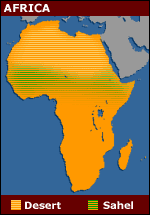
| | Thursday, 13 June, 2002, 14:25 GMT 15:25 UK West's pollution 'led to African droughts' Ethiopia had its worst-ever drought in 1984 Scientists in Australia and Canada say that pollution from western countries may have caused the droughts which ravaged Africa's Sahel region in the 1970s and 1980s. Millions died in the droughts, which hit Ethiopia hardest in 1984.
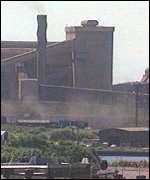
The research says that sulphur dioxide from factories in Europe and the United States has cooled the Northern Hemisphere, driving the tropical rain belt south - away from the Sahel. Rainfall in the region has declined by between 20% and 50%, leading to severe droughts in 1972, 1975, 1984 and 1985. This was the most sustained drought in any part of the world since records began, according to the research which is reported in the New Scientist magazine. But climate experts had been unable to explain the drastic change. Cold north The research was carried out by Leon Rotstayn from Australia's Commonwealth Scientific and Industrial Research Organisation (CSIRO) and his colleague Ulrike Lohmann from Canada's Dalhousie University. They ran a simulation of global weather including the interaction between sulphur dioxide emissions and cloud formation.
As this pollution mainly happened in the industrialised north, the Northern Hemisphere became relatively cooler than the south. This caused the rain belt to move south - away from the Sahel. Johann Feichter of the Max Planck Institute for Meteorology in Hamburg, Germany, says the sulphur emissions probably worsened the natural cycle of droughts that would have happened anyway. "It's still speculative, and the model isn't very refined, but it's very interesting.
During the past few years, rainfall has increased in the Sahel. Mr Rotstayn explains this improvement by the "clean air" laws introduced in North America and Europe. This legislation reduced sulphur dioxide emissions in response to another environmental crisis - acid rain. | |
See also:  05 Mar 01 | Science/Nature 08 Nov 00 | Science/Nature 16 Aug 00 | Africa 18 Nov 99 | Science/Nature 06 Sep 00 | Science/Nature Internet links: The BBC is not responsible for the content of external internet sites Top Africa stories now: Links to more Africa stories are at the foot of the page. | ||||||||||||||||||||||||||||||||||||||||||||||||||||||||||||||||||||||||||||||||||||||||||||||||||||||||||||||||||||||||||||||||||||||||||||||||||||||||||||||||||||||||||
| |
|  E-mail this story to a friend E-mail this story to a friend |
| |
| Links to more Africa stories |
| | | ||
 | ||||
 | | Back to top
| ||
| ---------------------------------------------------------------------------------- To BBC Sport>> | To BBC Weather>> | To BBC World Service>> ---------------------------------------------------------------------------------- © MMIII | News Sources | Privacy |